Approach
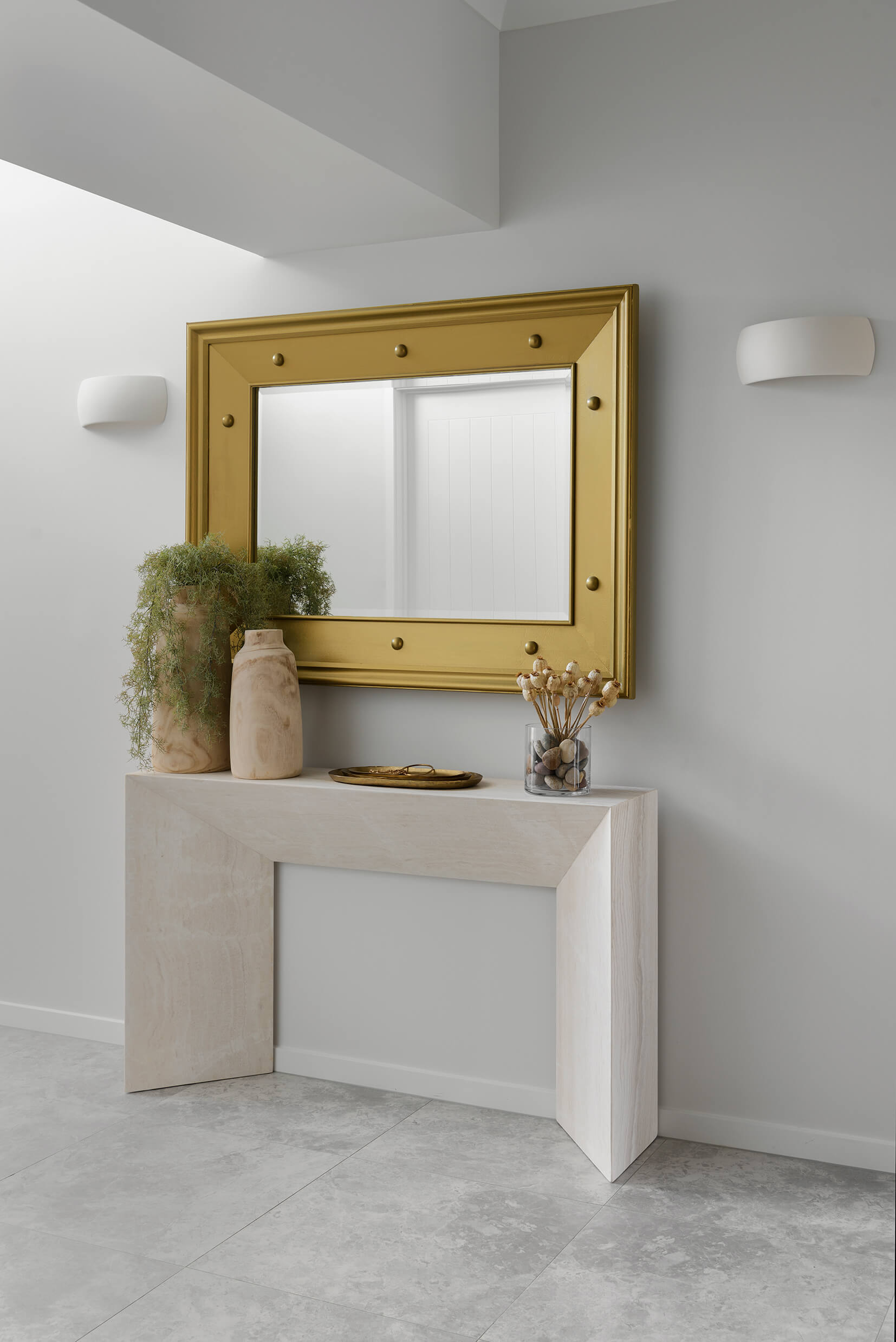
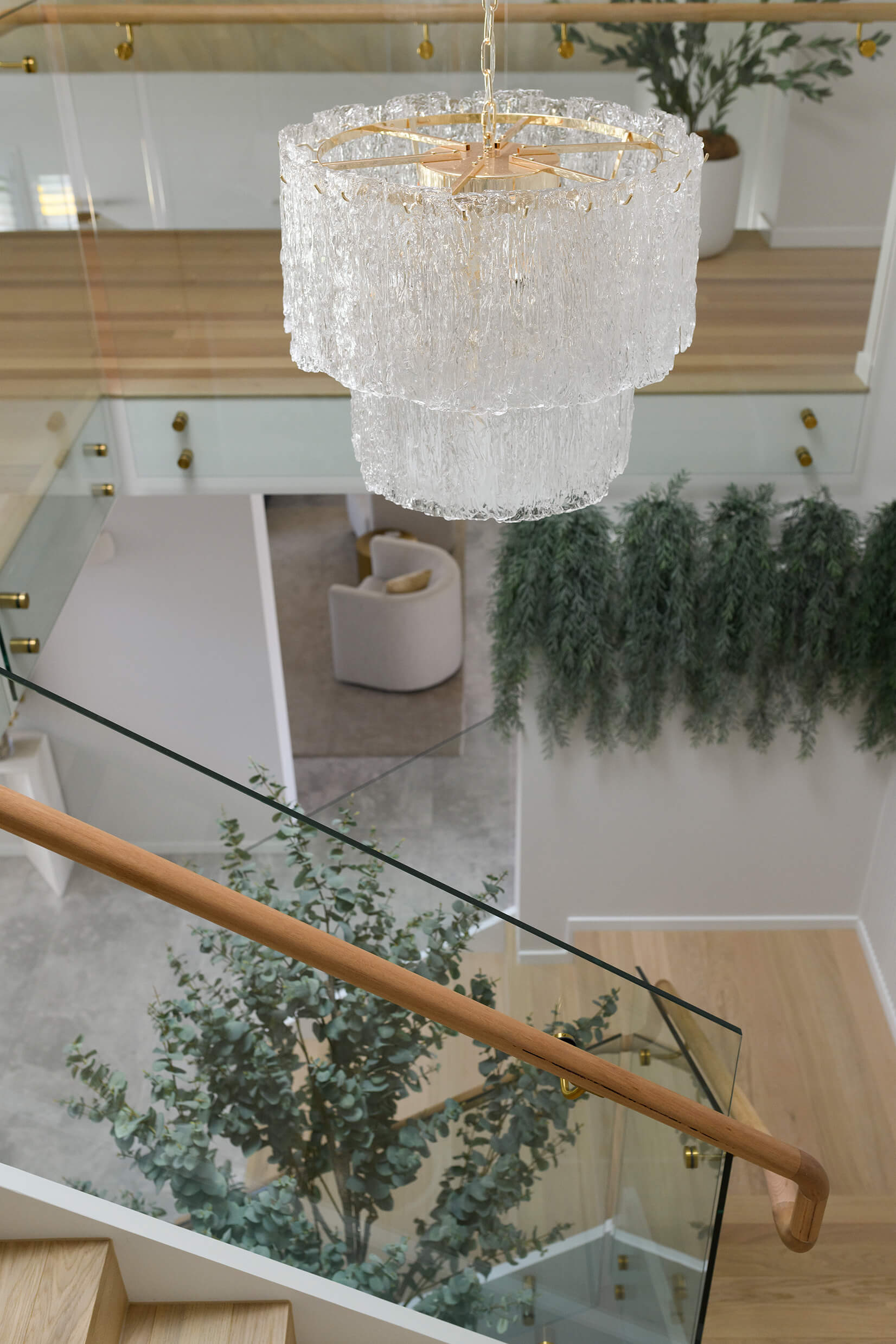
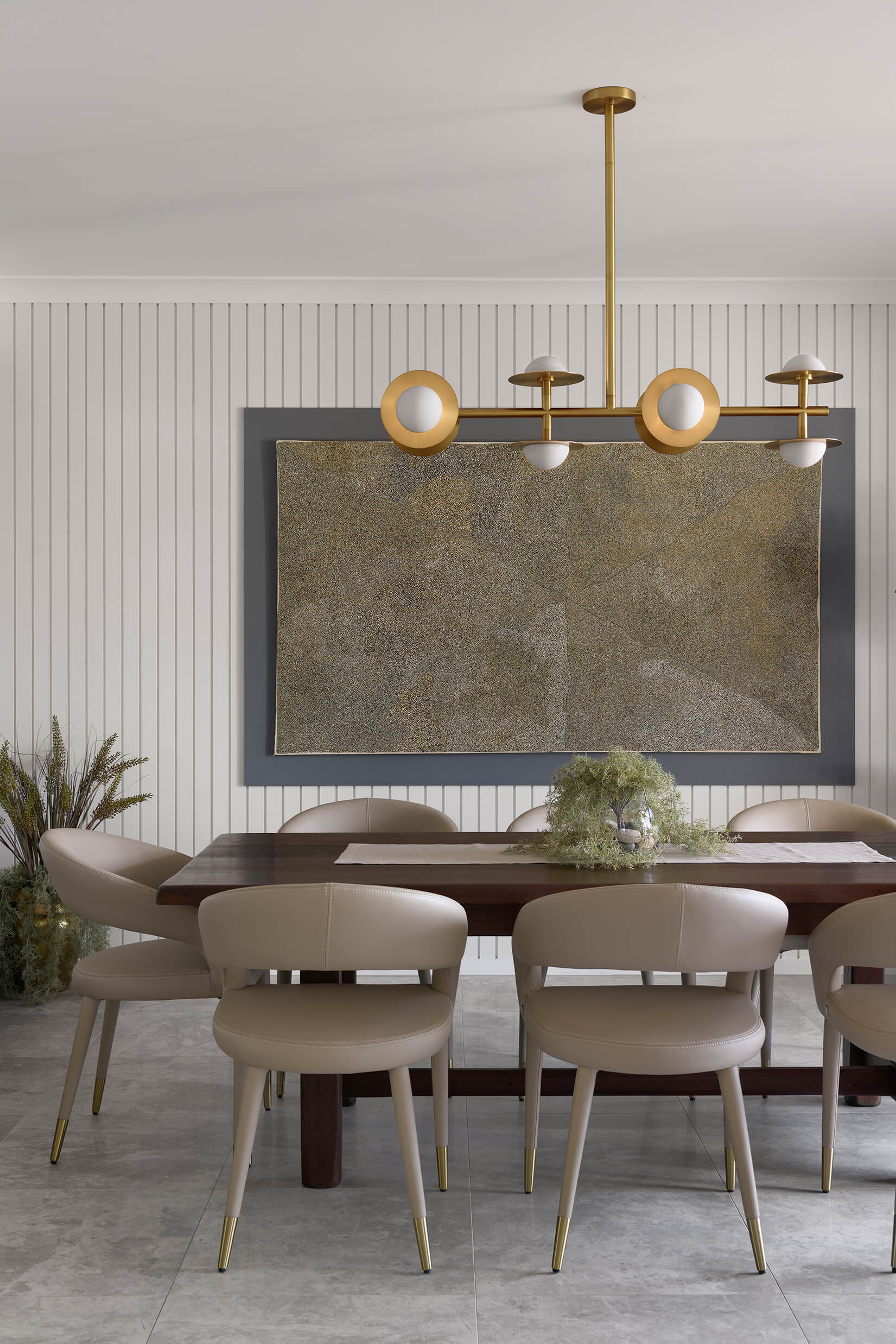
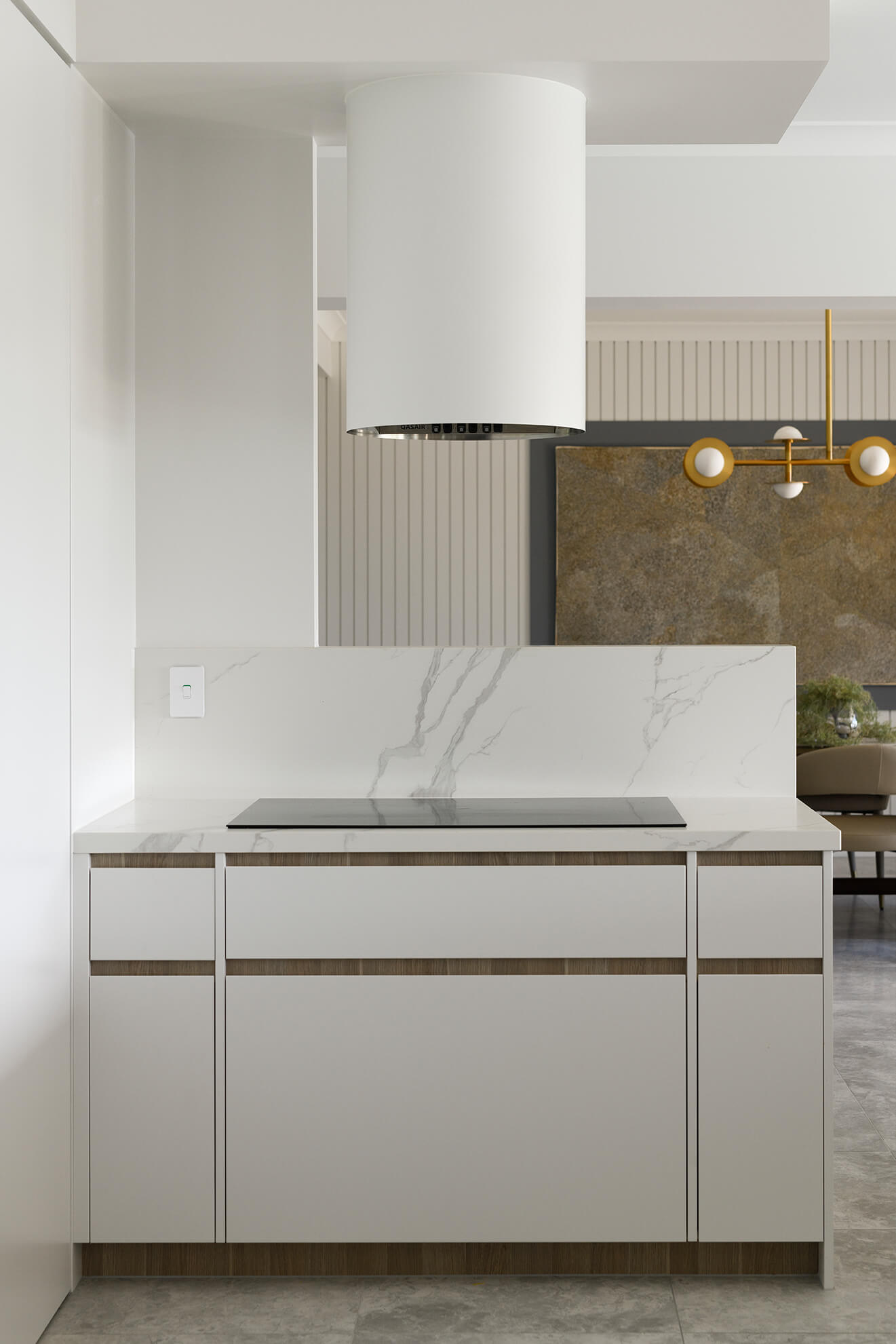
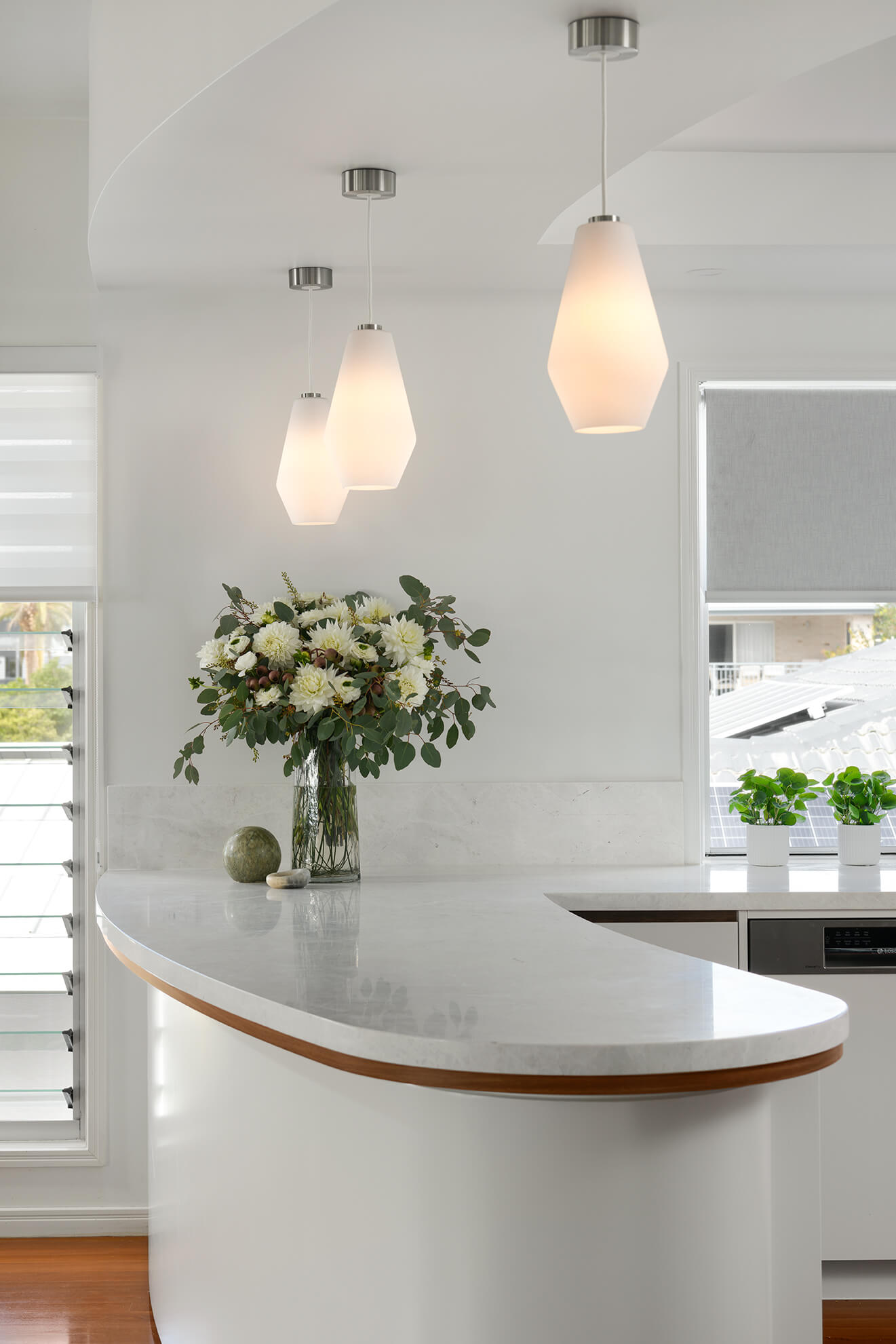
Rather than treating styling as decoration, I approach it as a continuation of the design language established throughout the home.
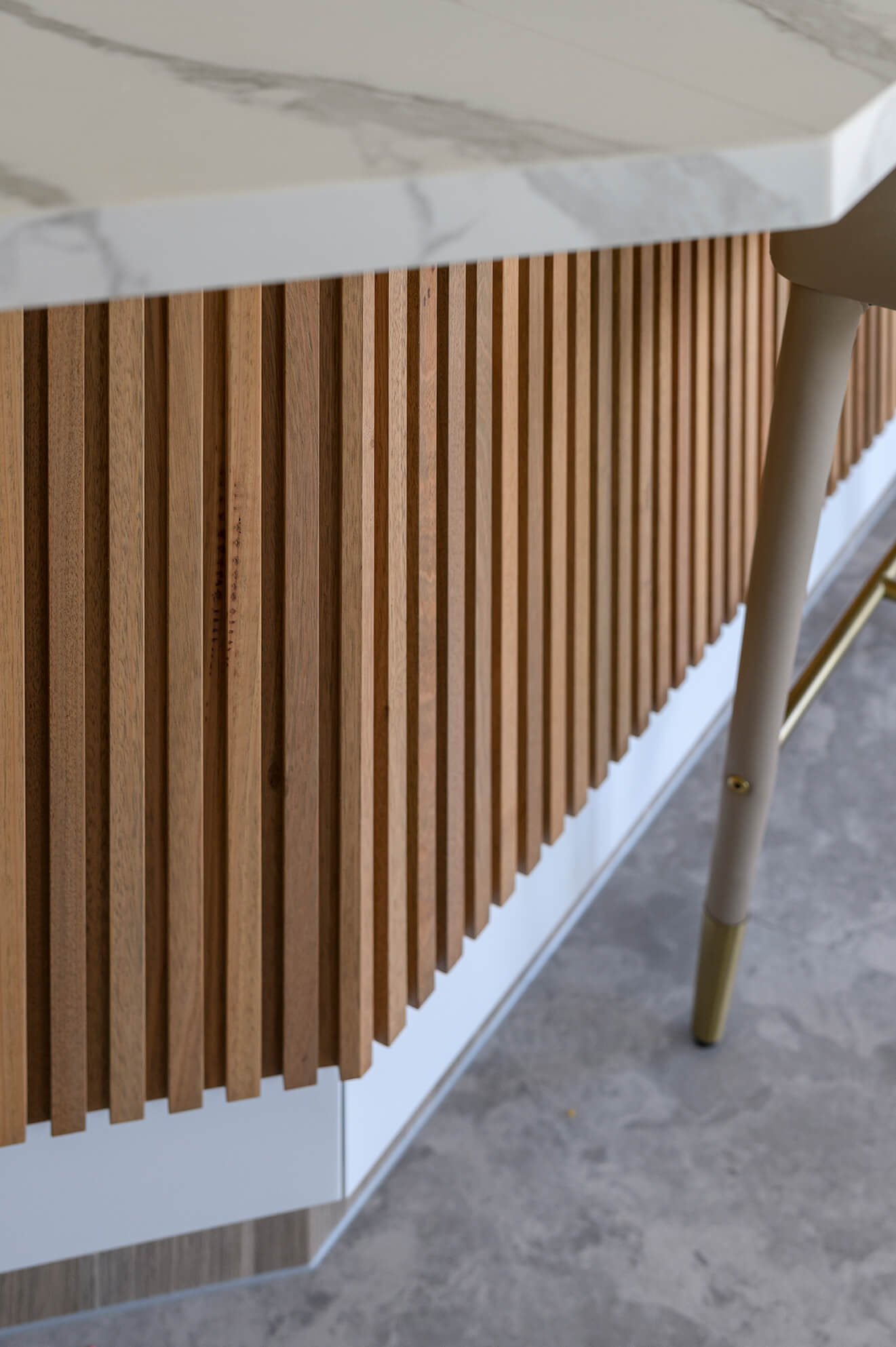
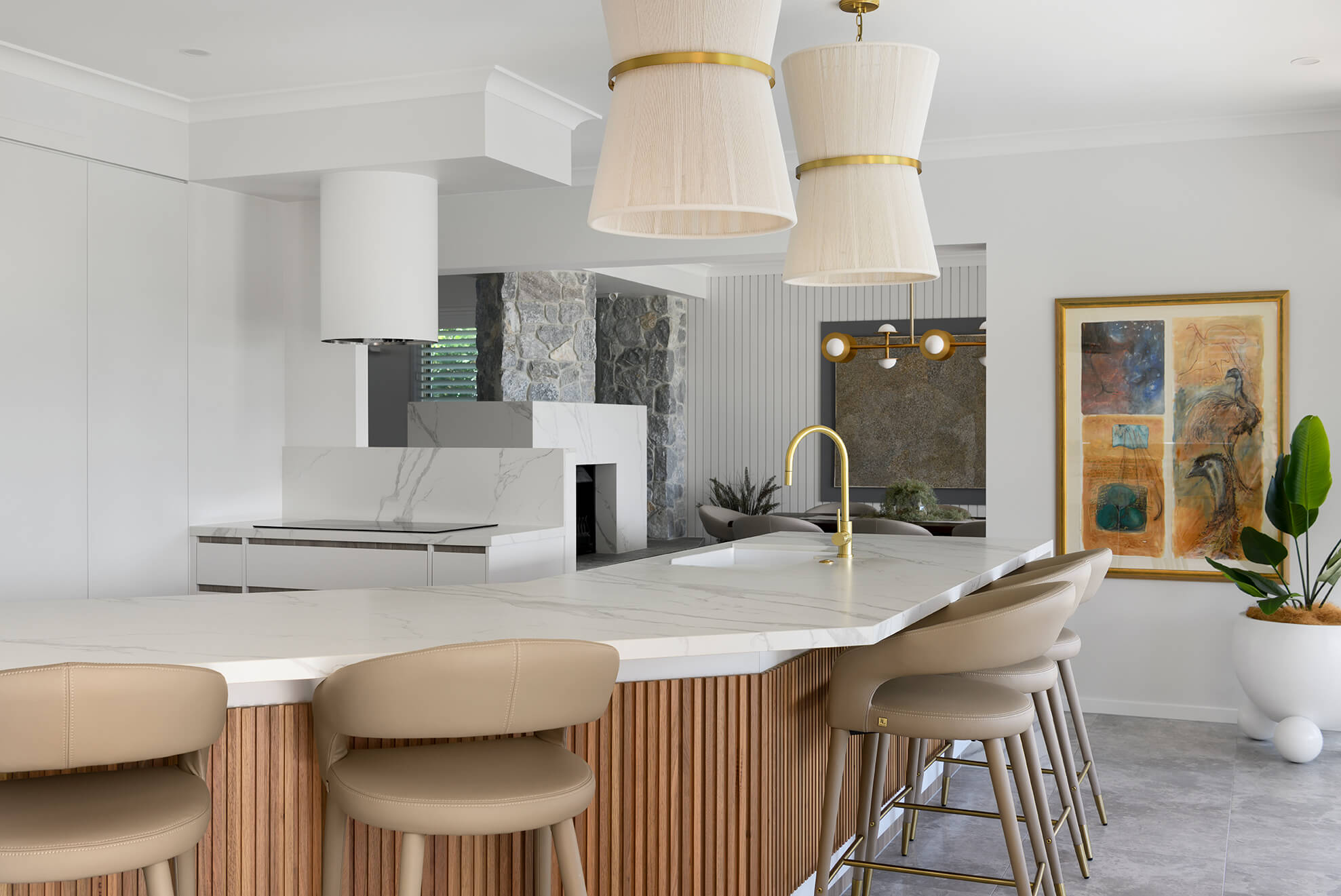
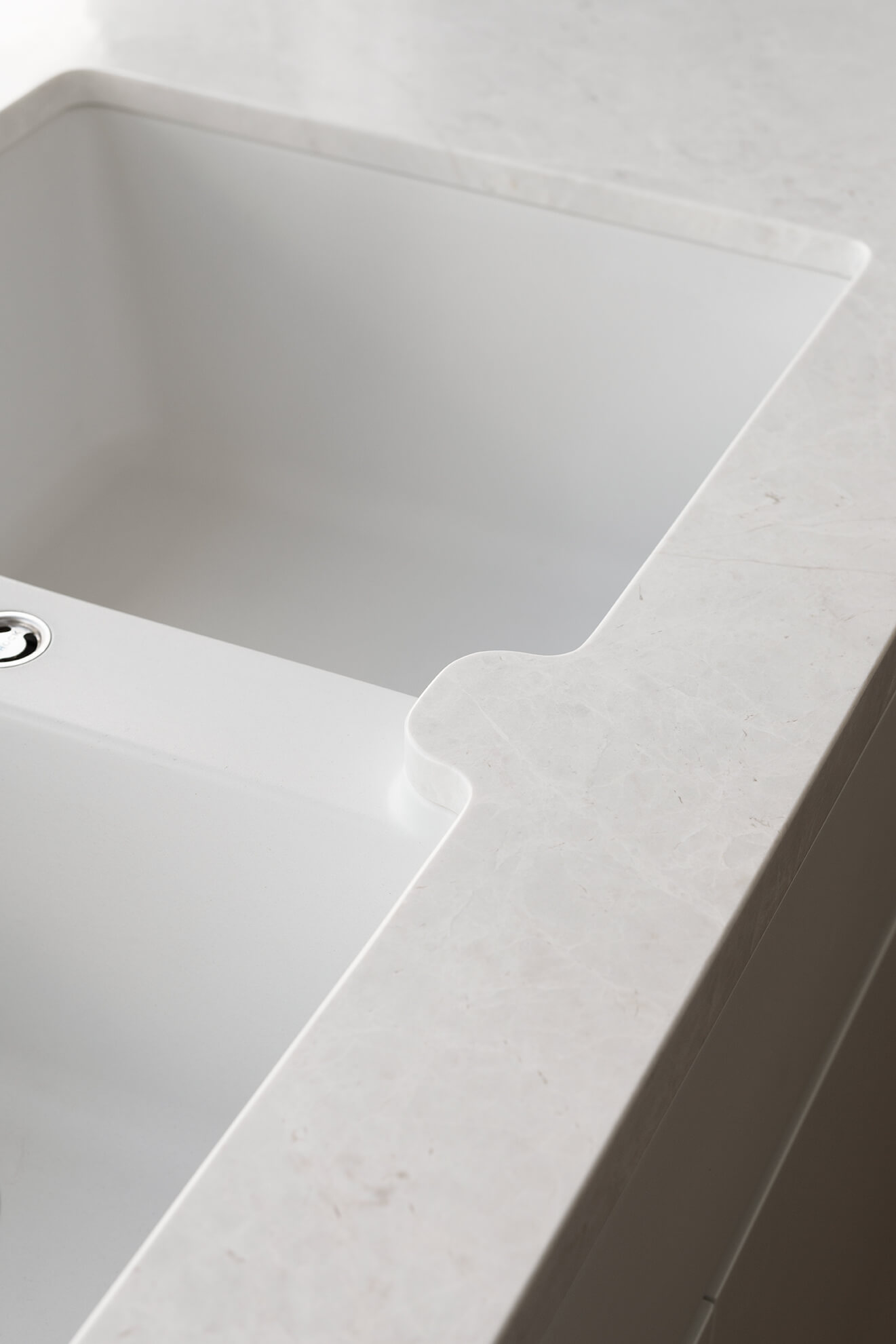
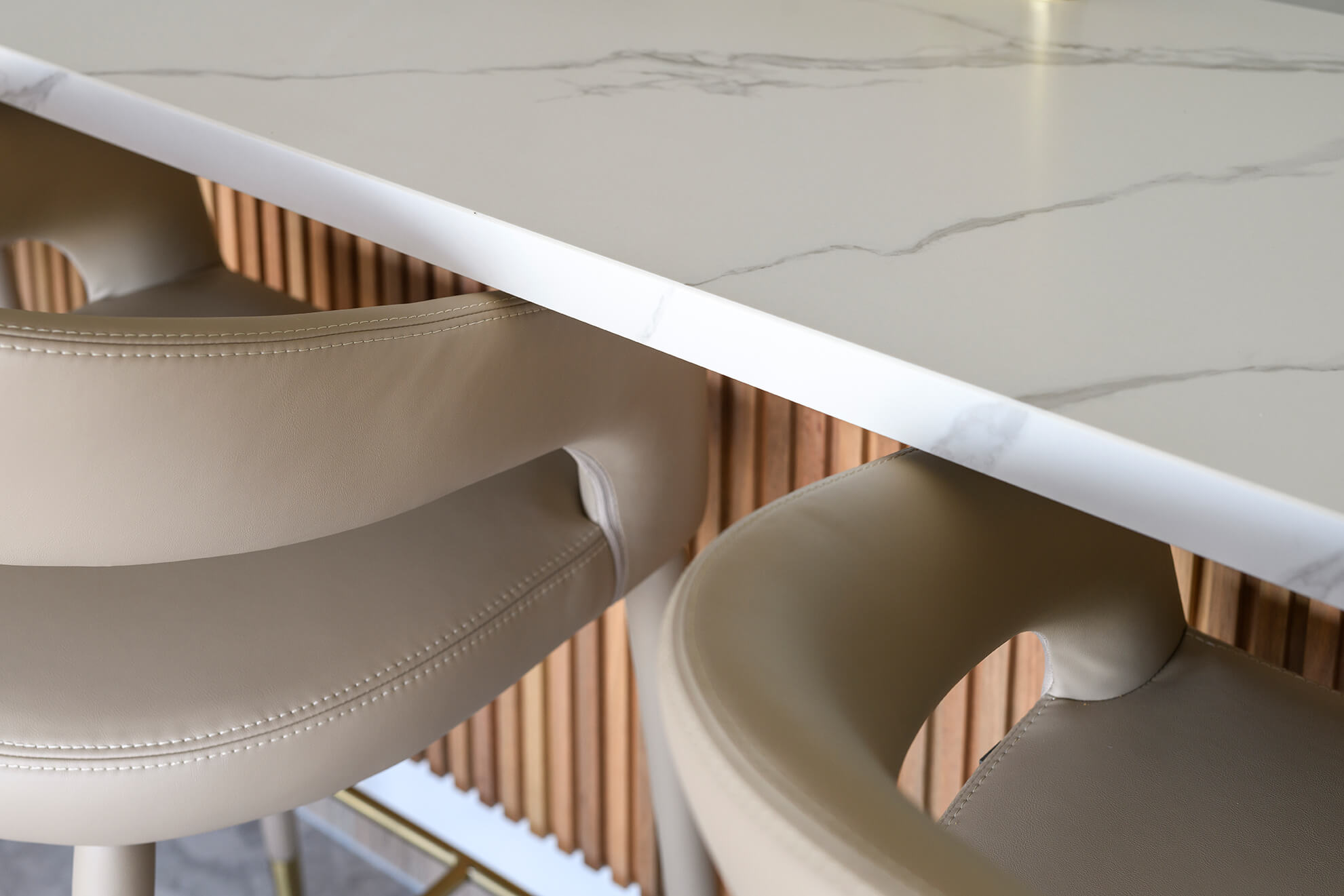
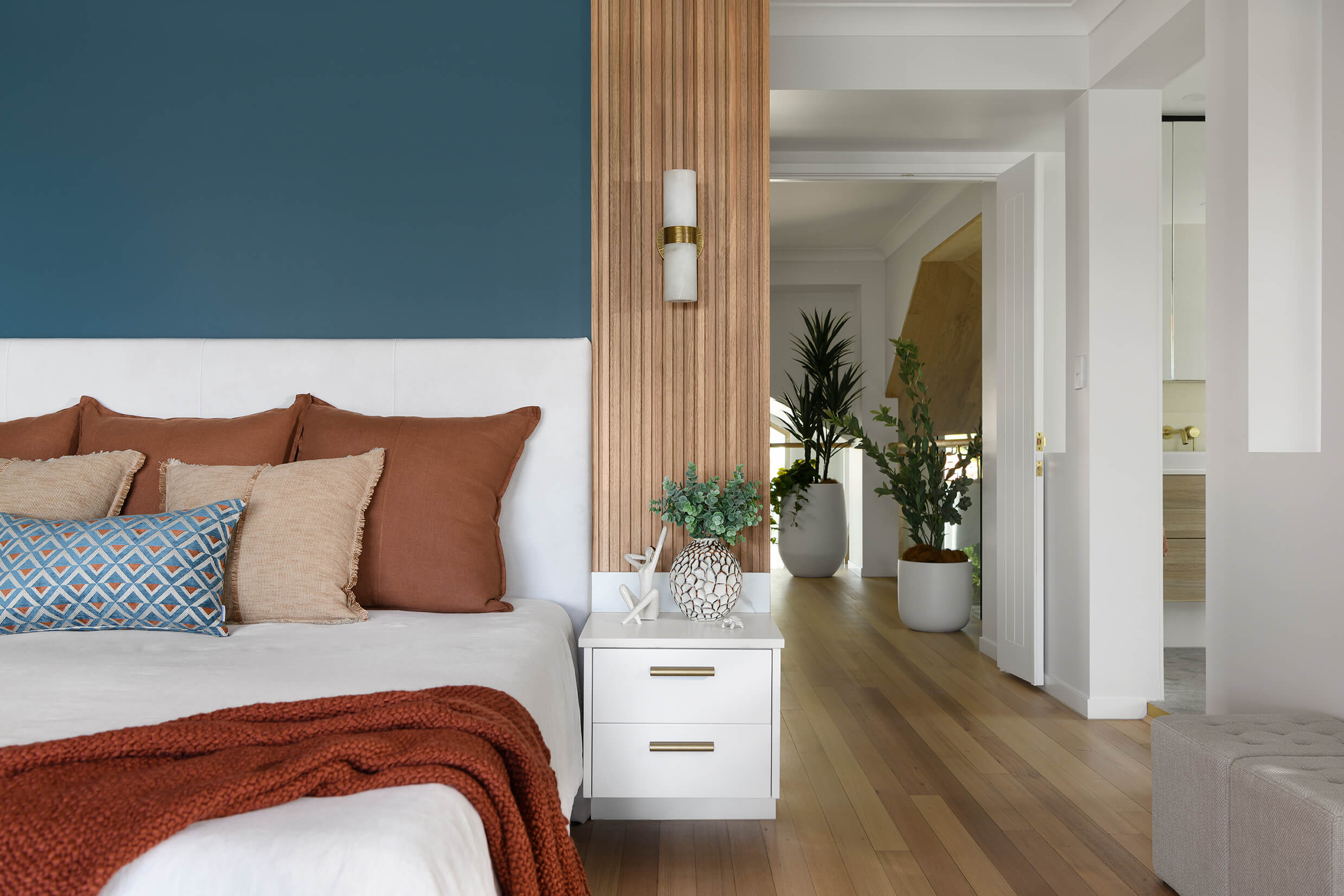
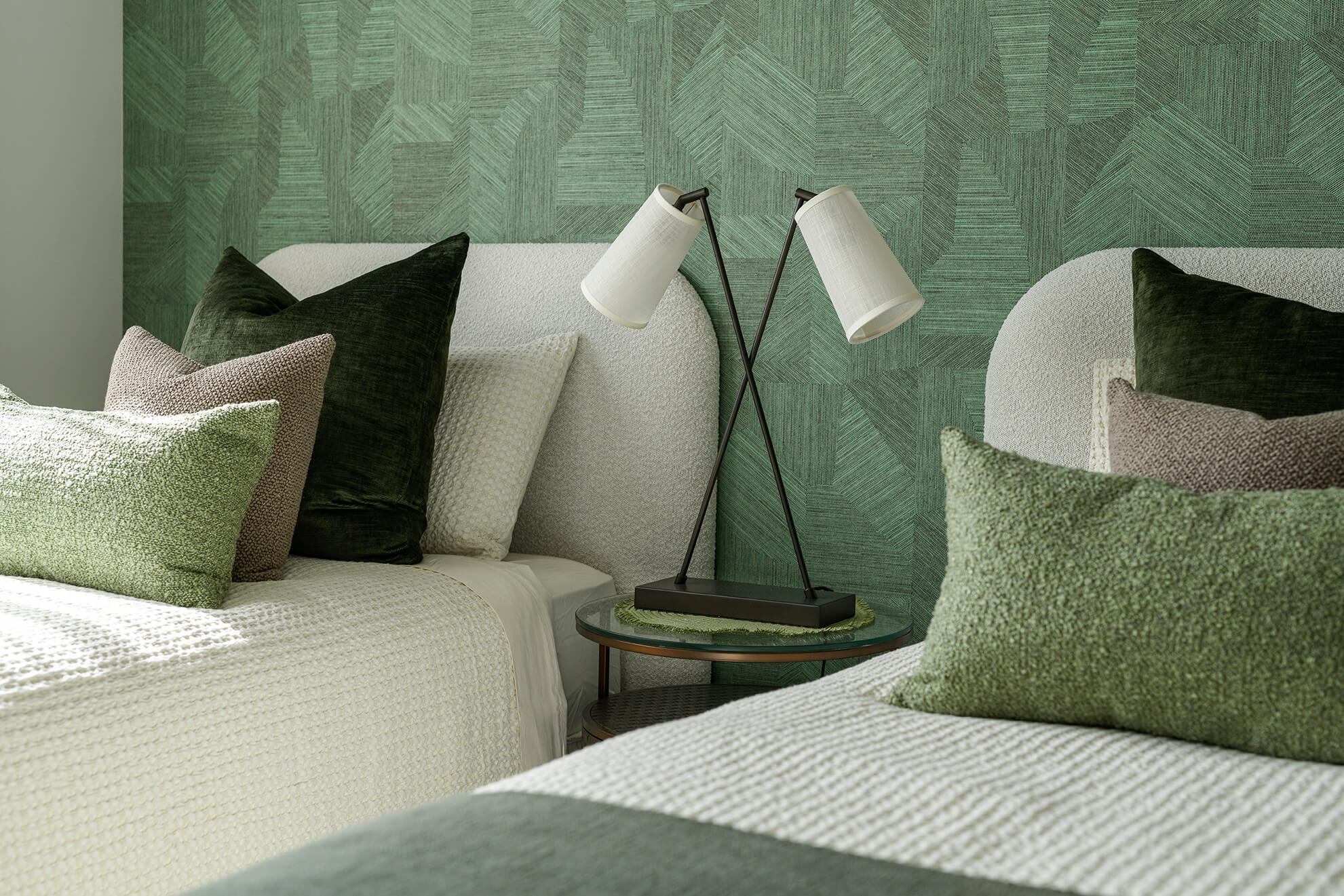
Fabric, texture, tone, and proportion are considered in relation to the surrounding materials – ensuring each element feels intentional and connected to the architecture, joinery, and finishes already in place.
The result is a layered interior where every detail works together as one cohesive composition.
Design Philosophy / Approach
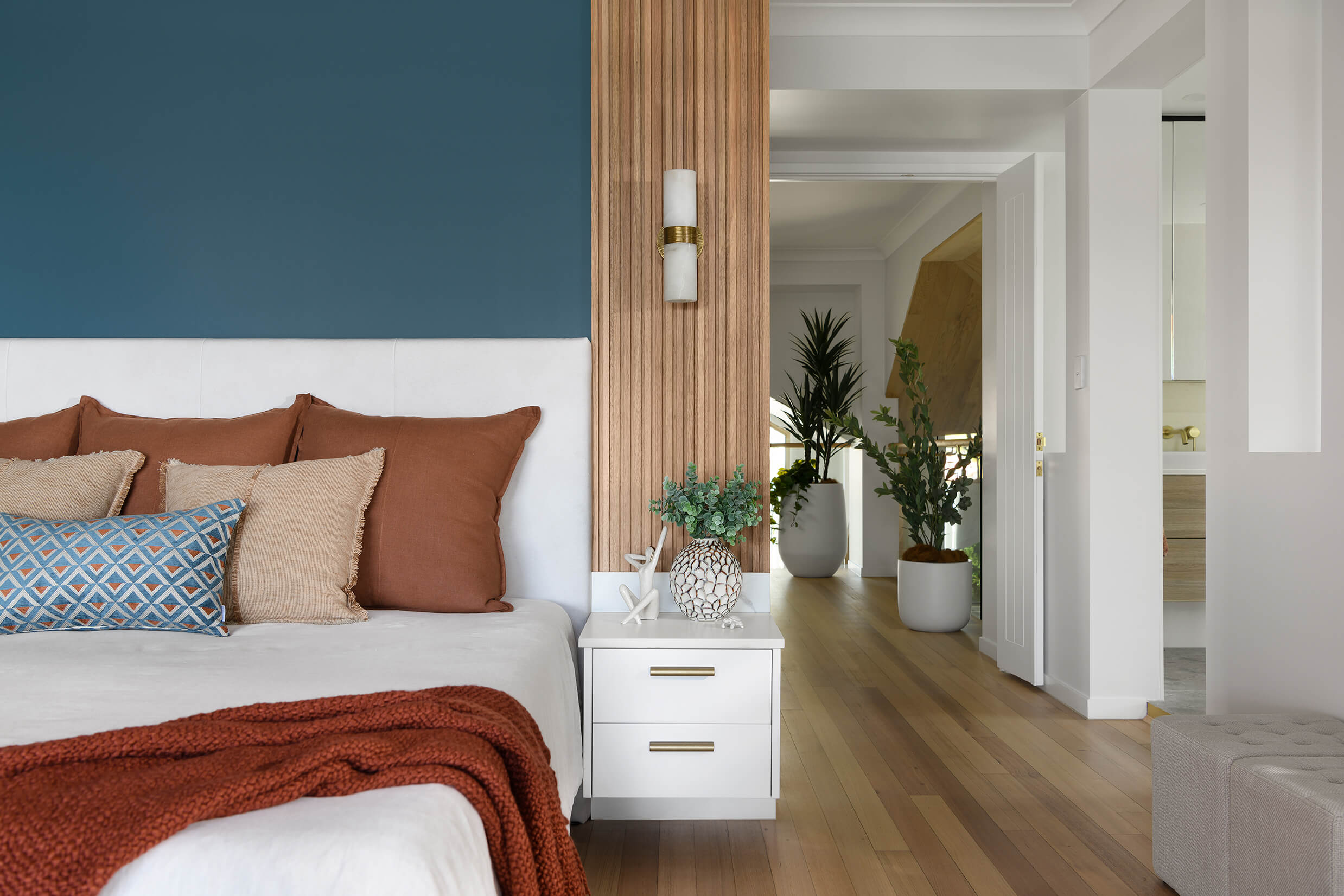
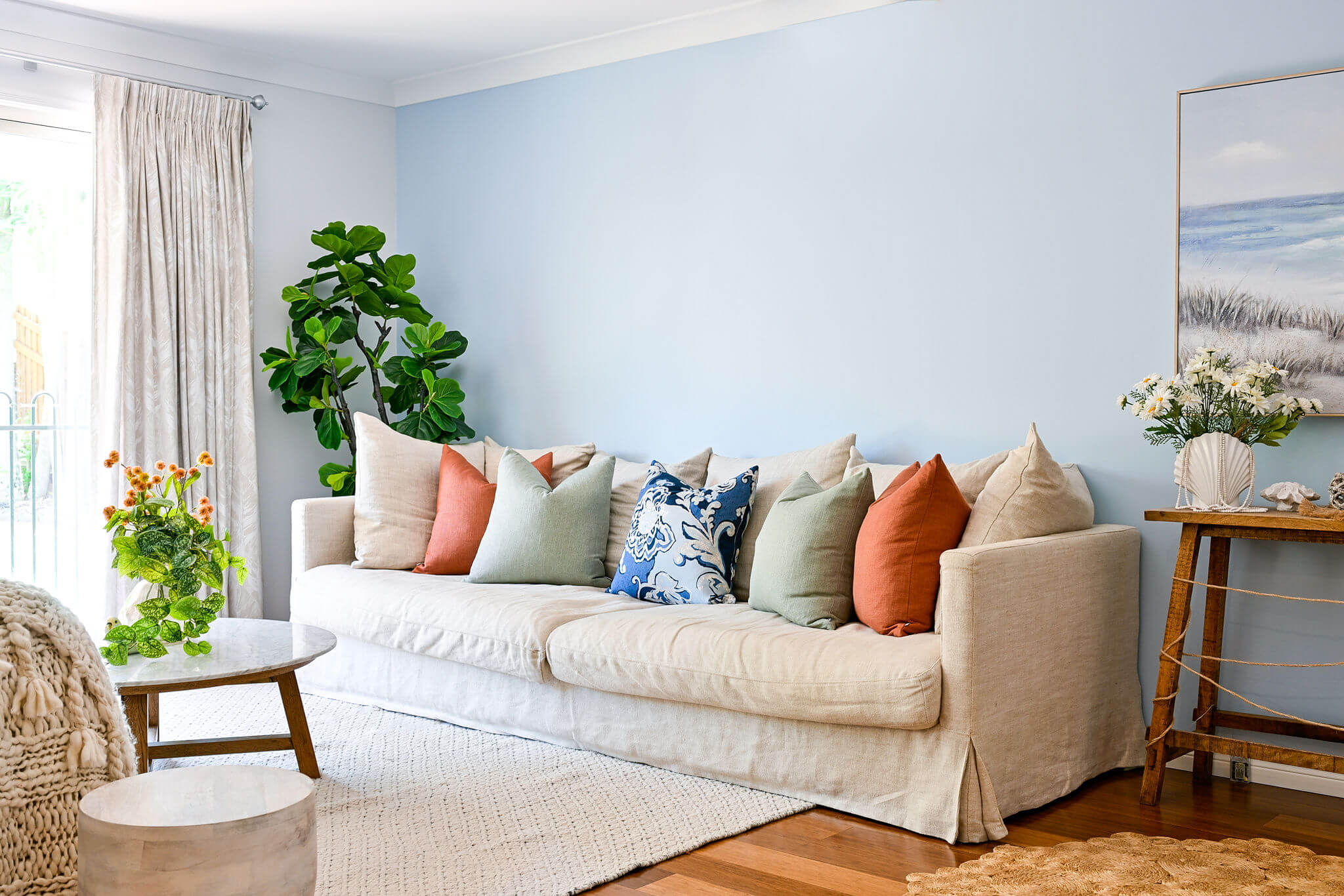
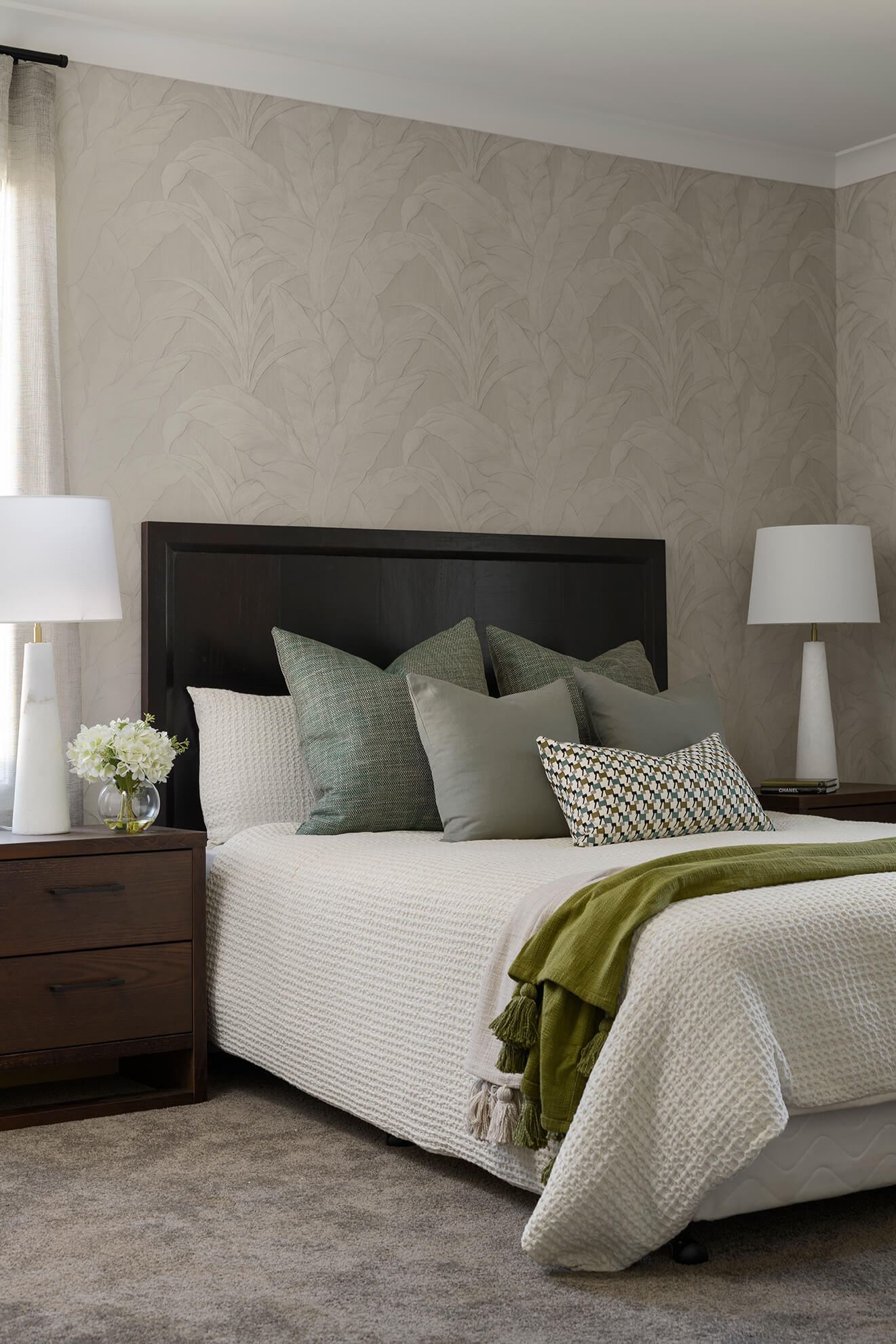
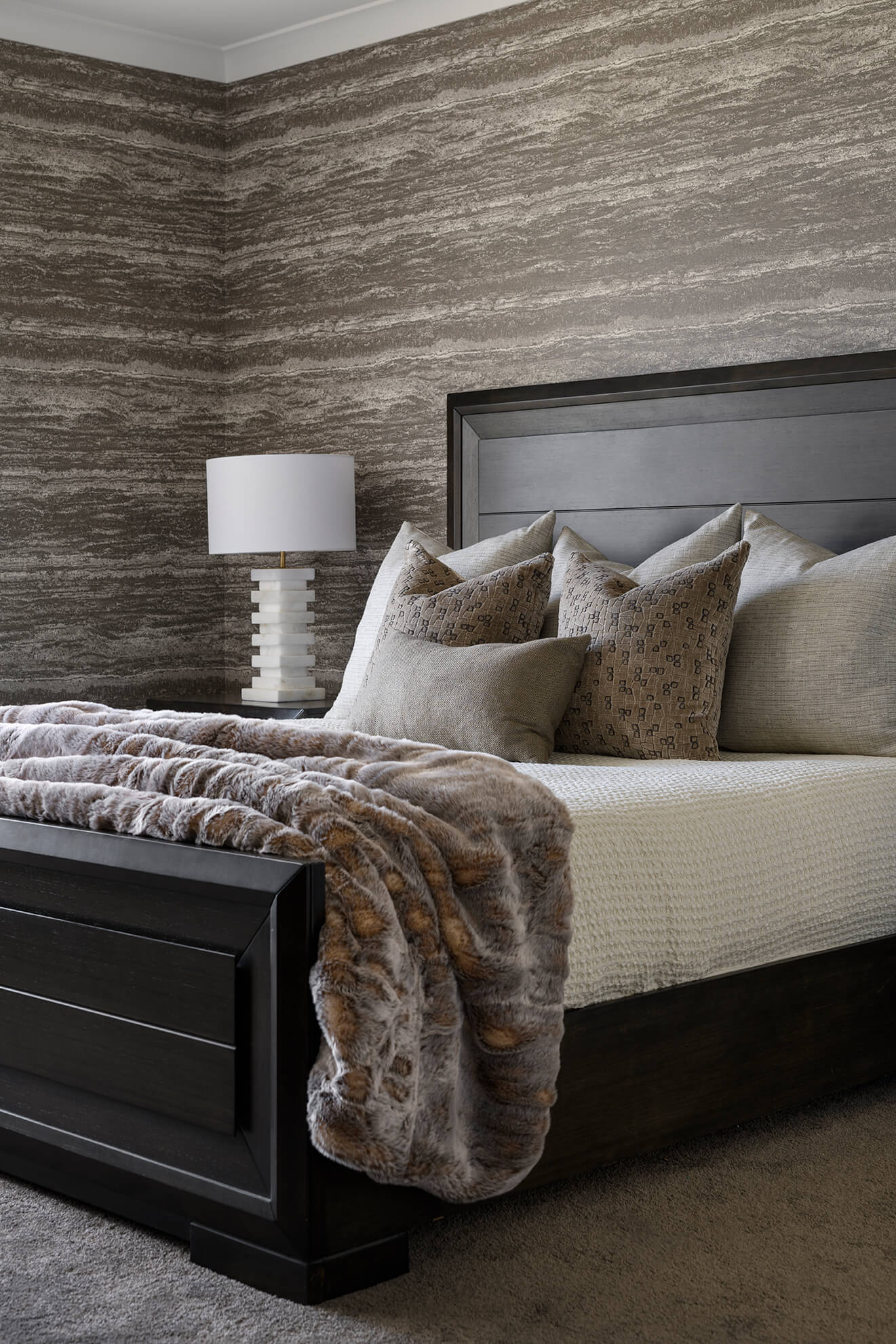
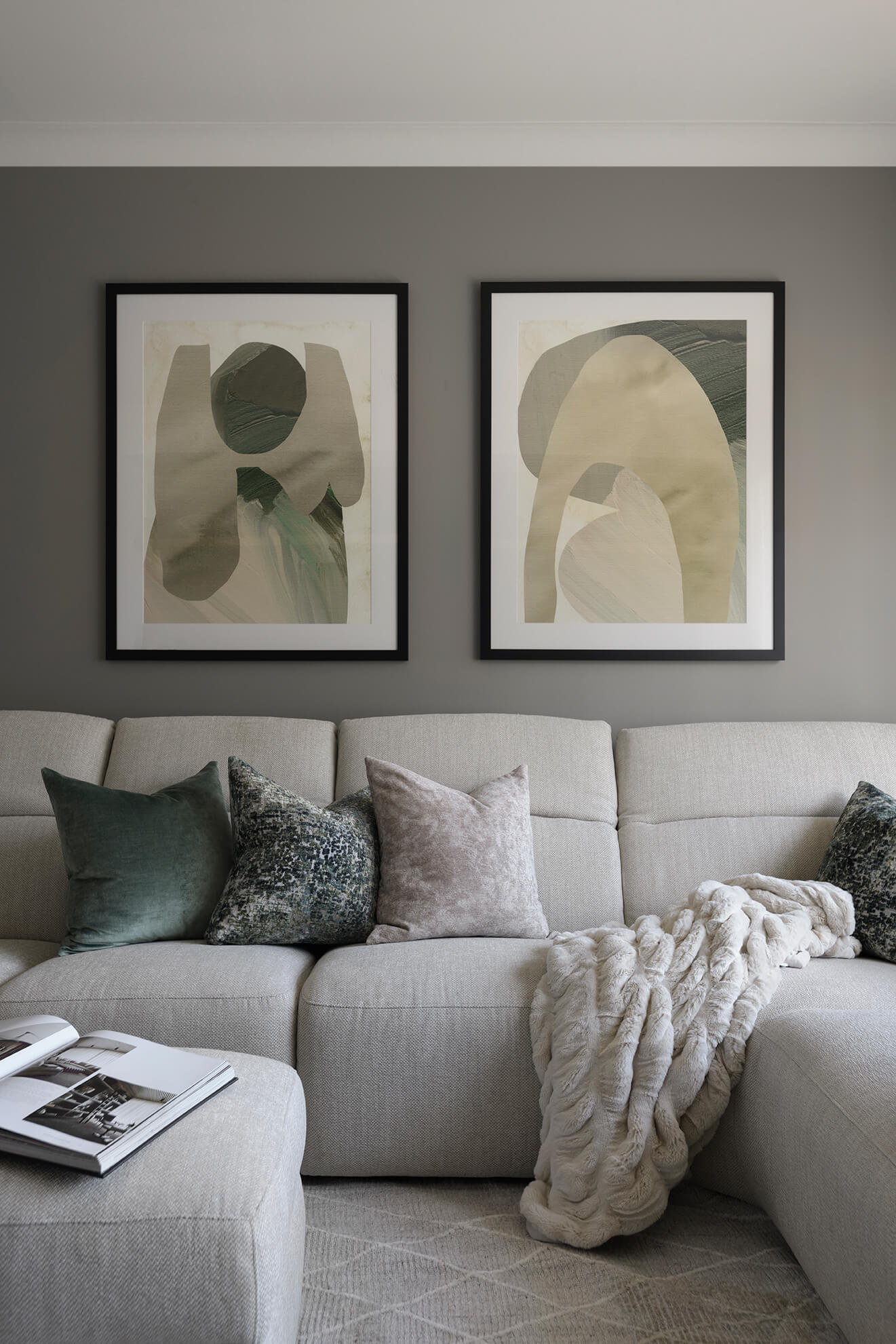
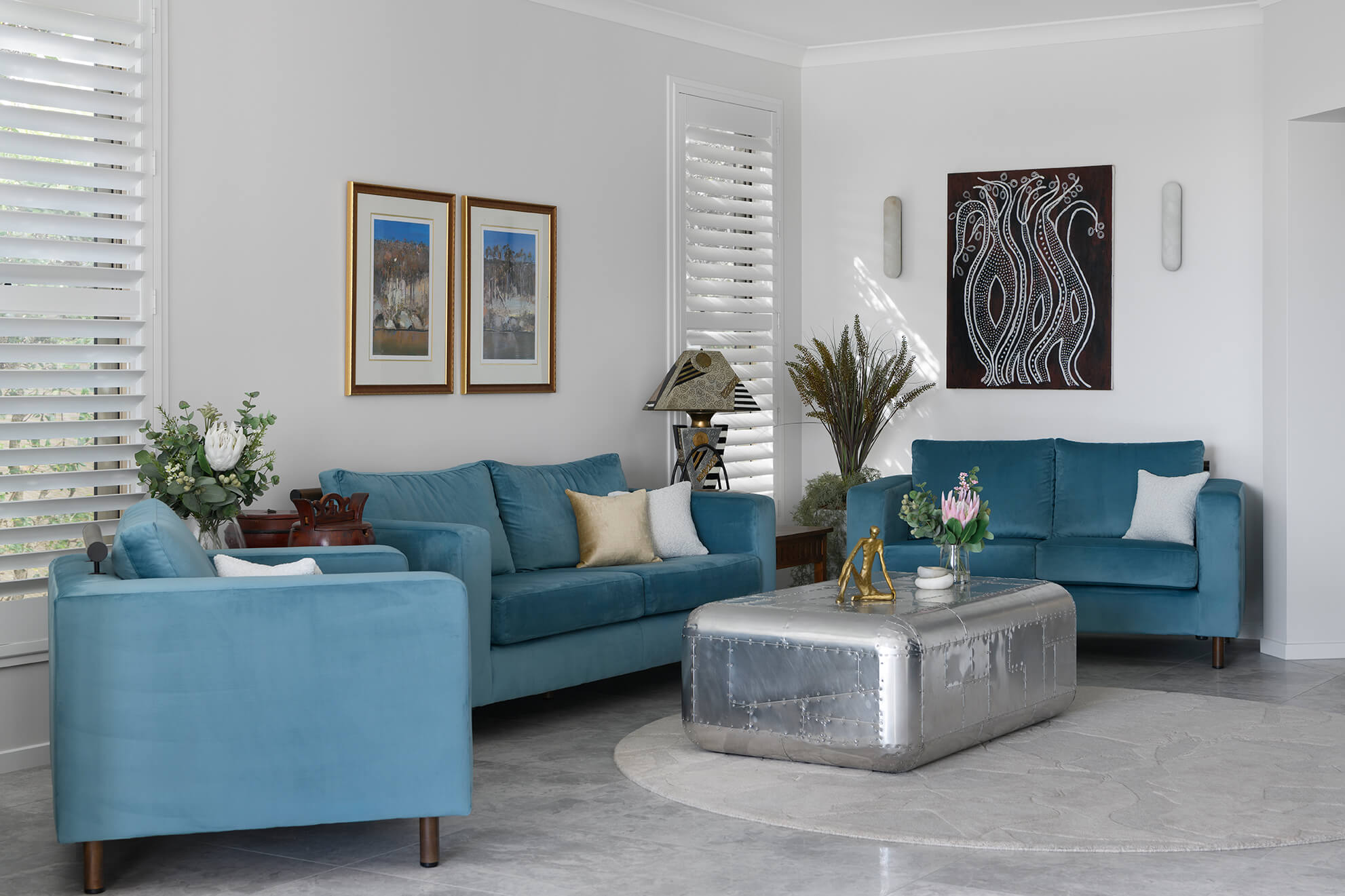
Soft furnishings are designed to complement and balance the harder architectural elements within a space.
This may include:
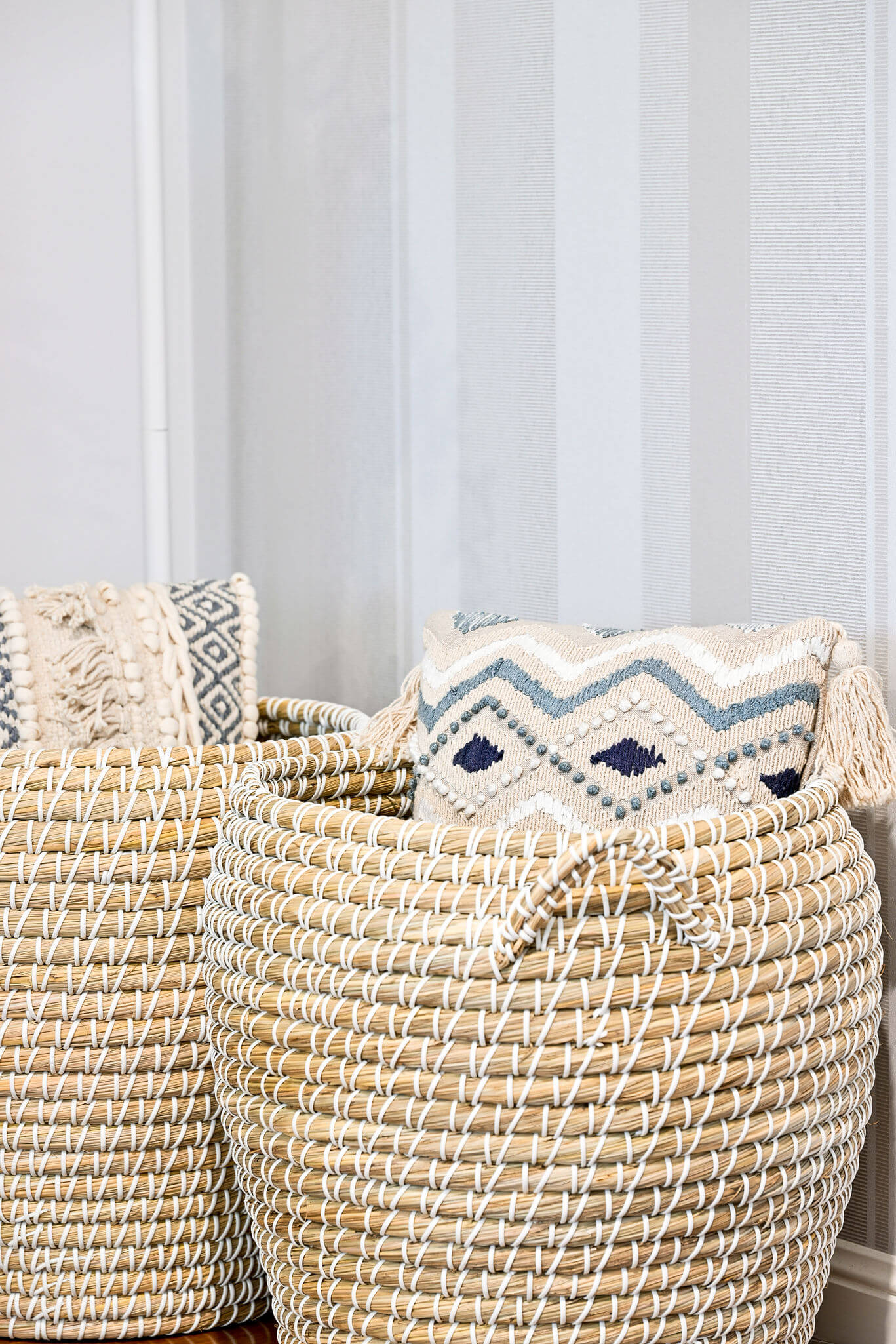
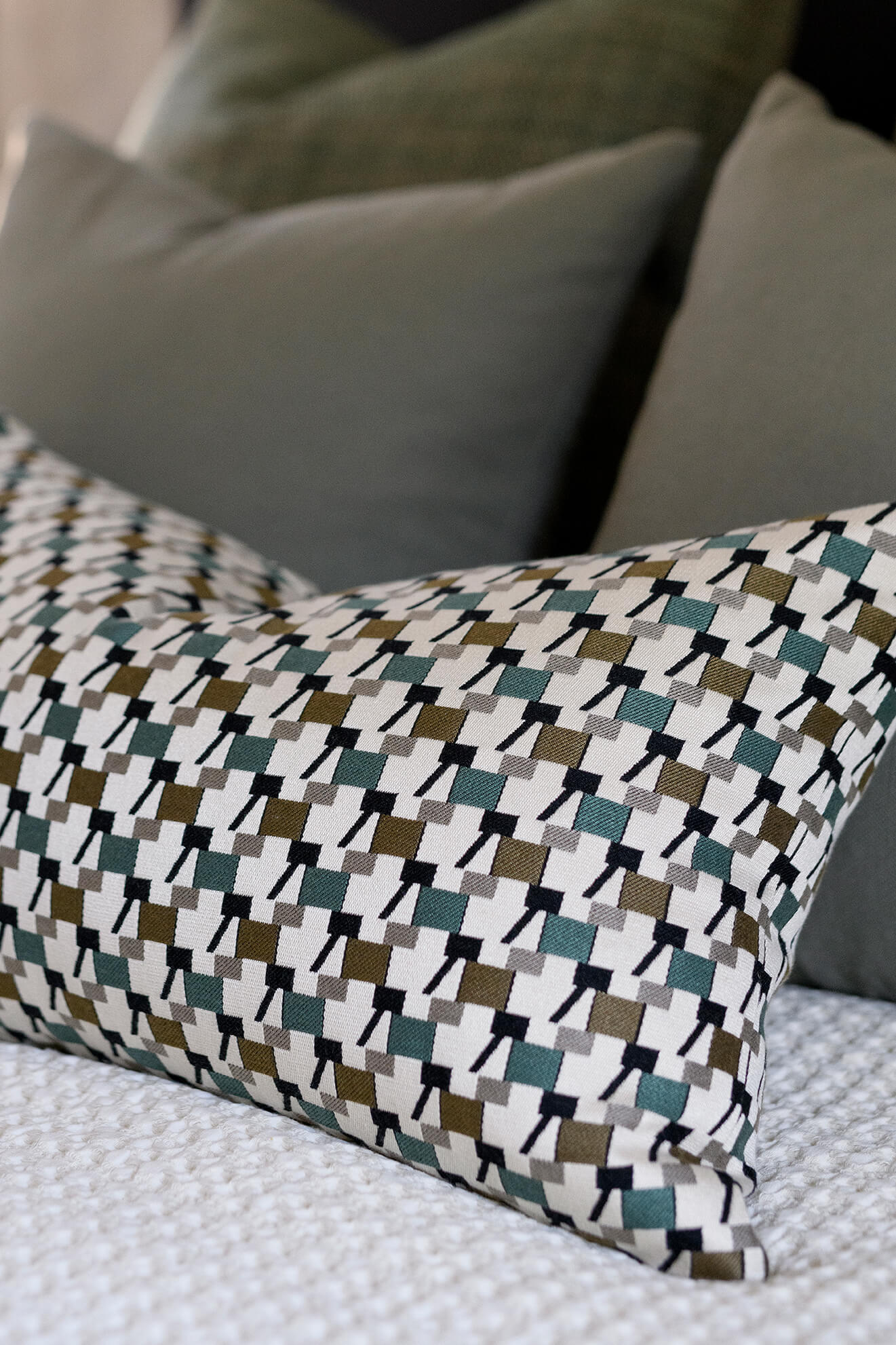
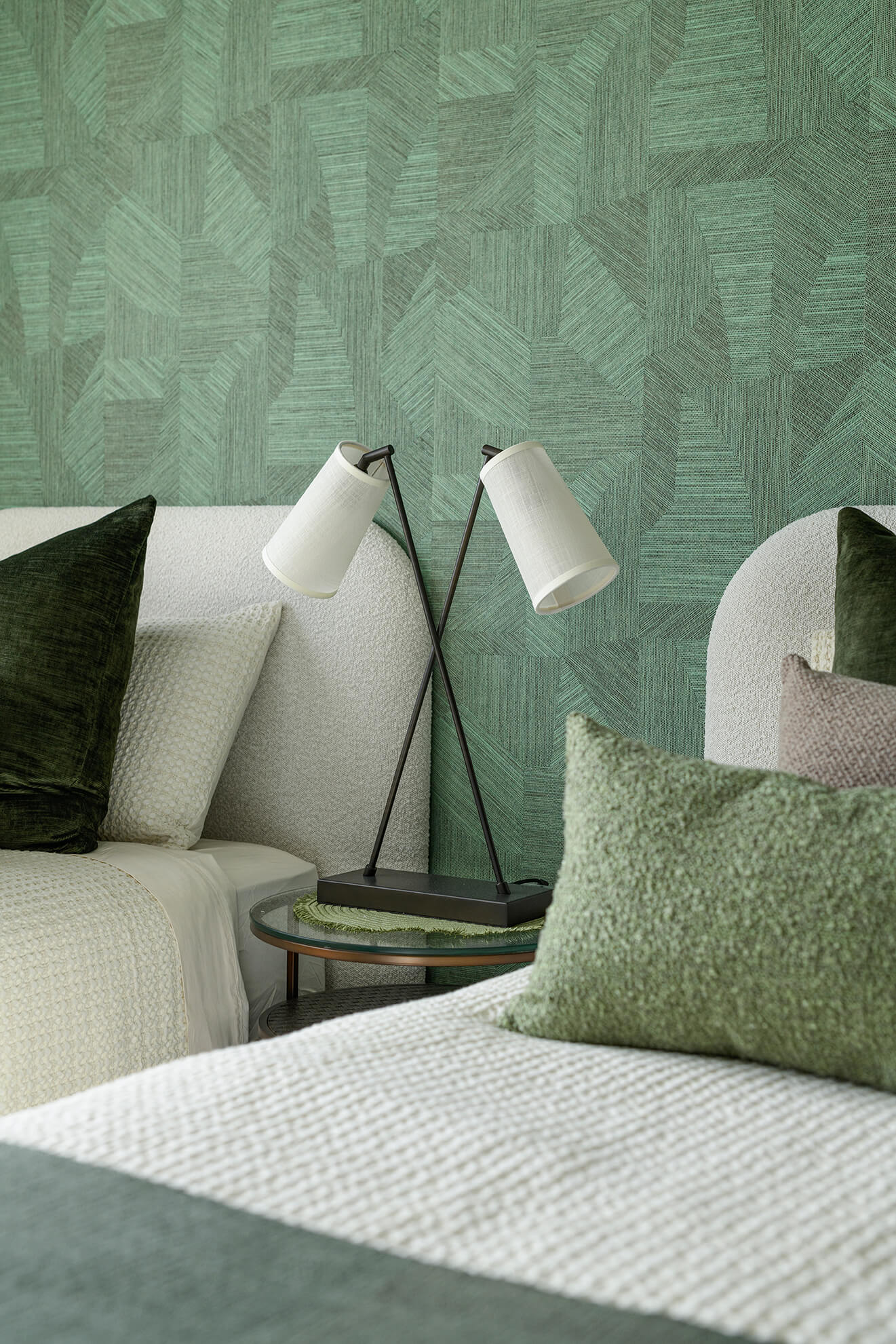
- Custom cushions and textiles
- Upholstery selection and coordination
- Fabric layering for texture and depth
- Colour refinement to align with existing materials
Each selection is made with careful consideration of tone, texture, and how it interacts with natural light throughout the home.
Window Treatments
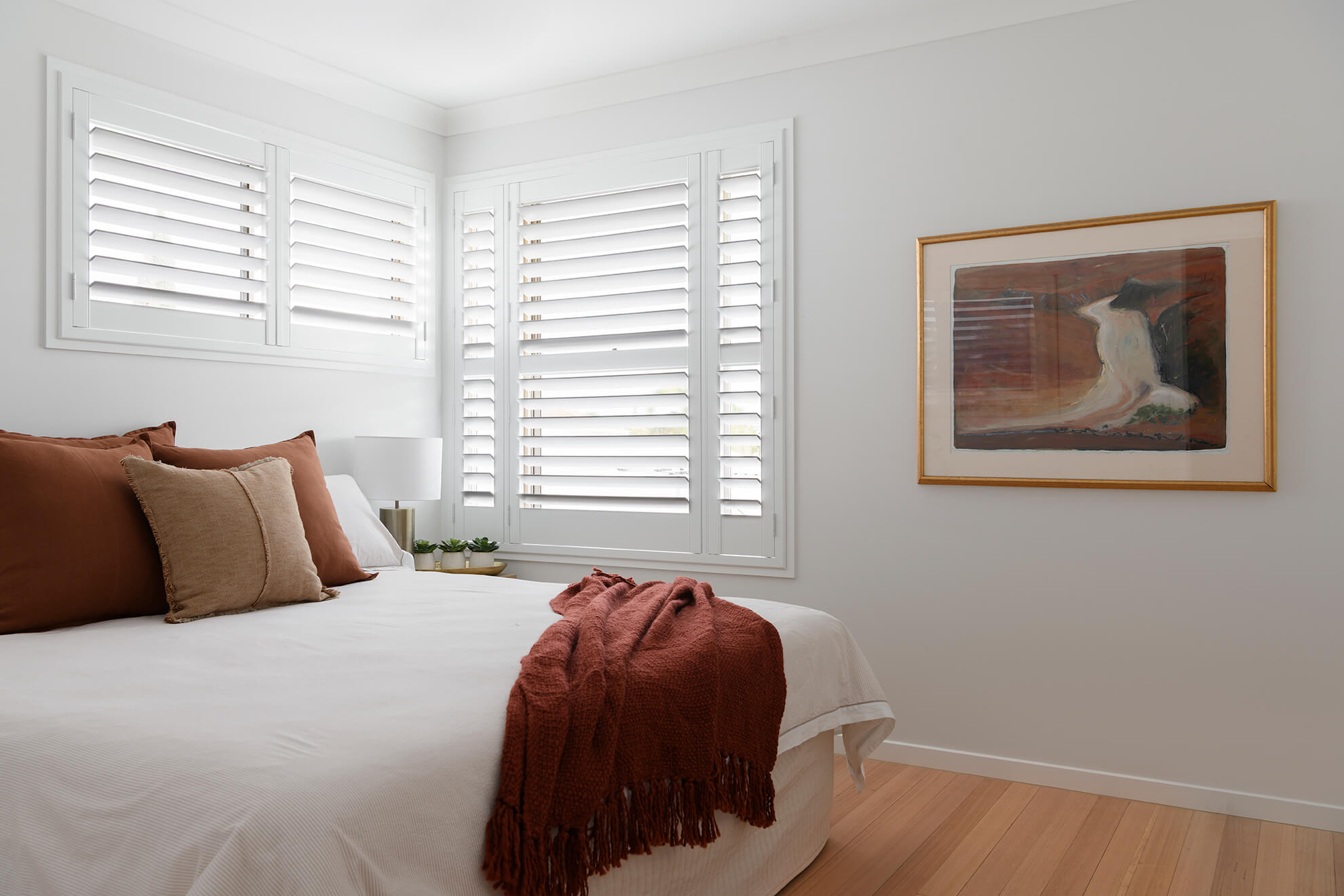
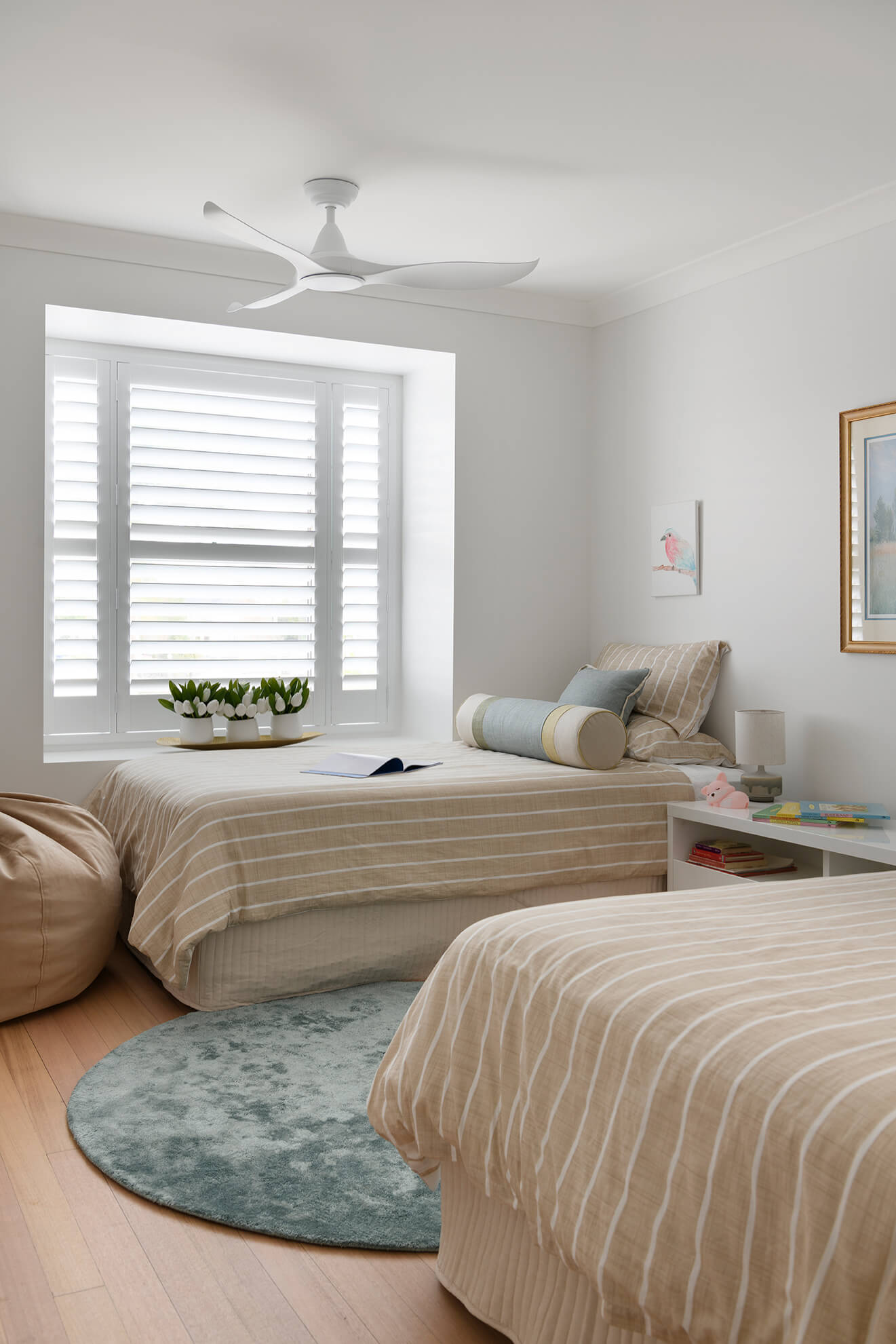
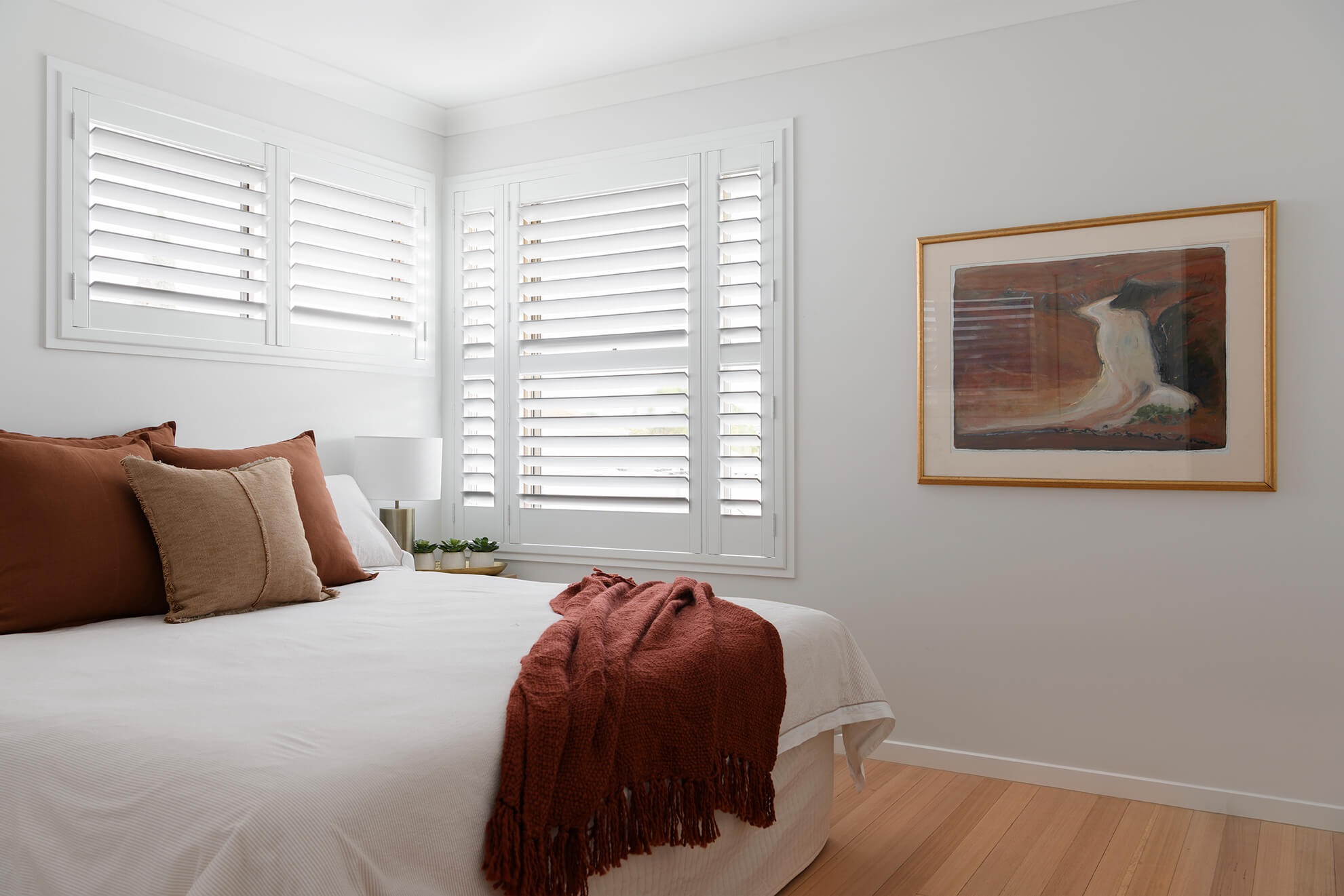
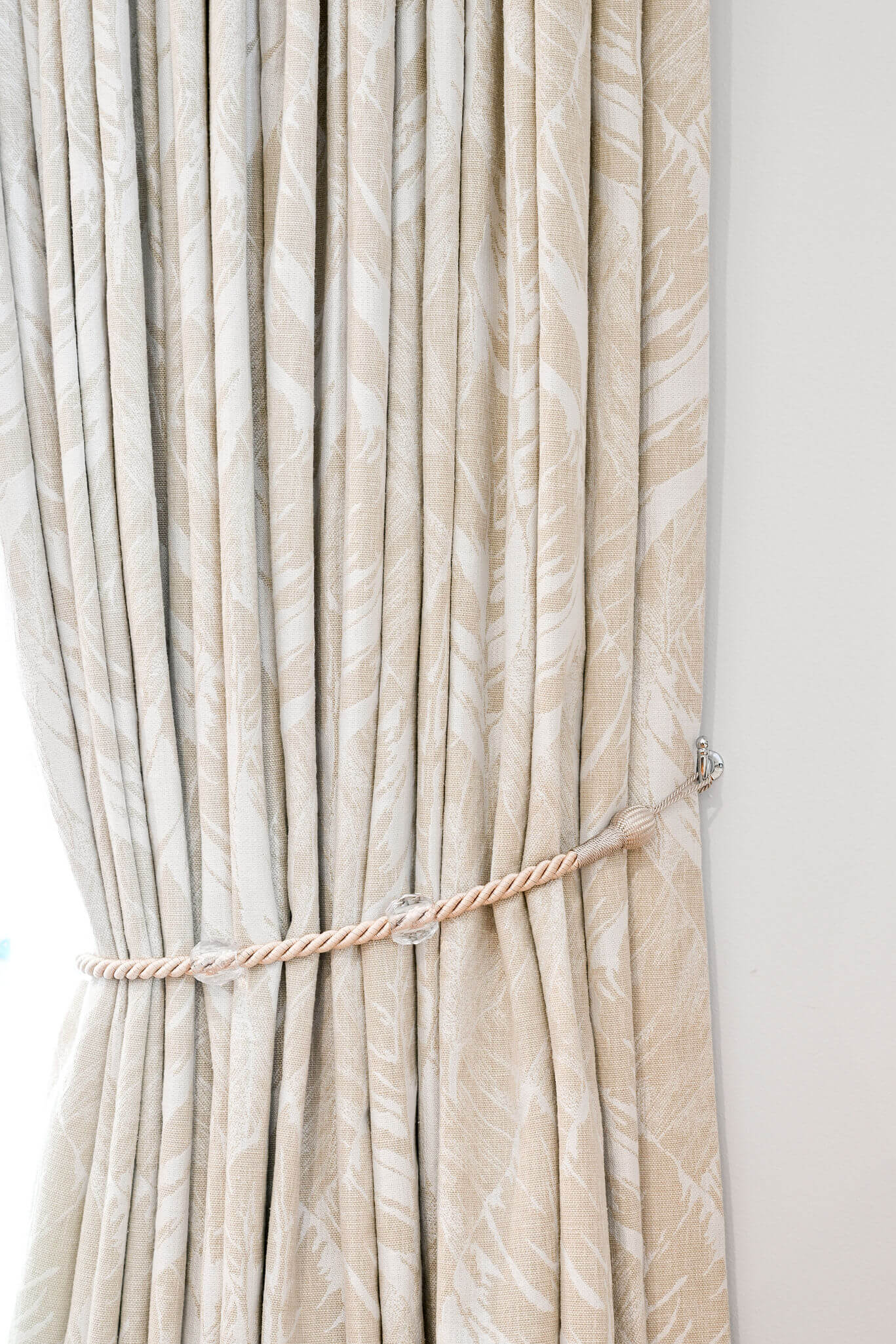
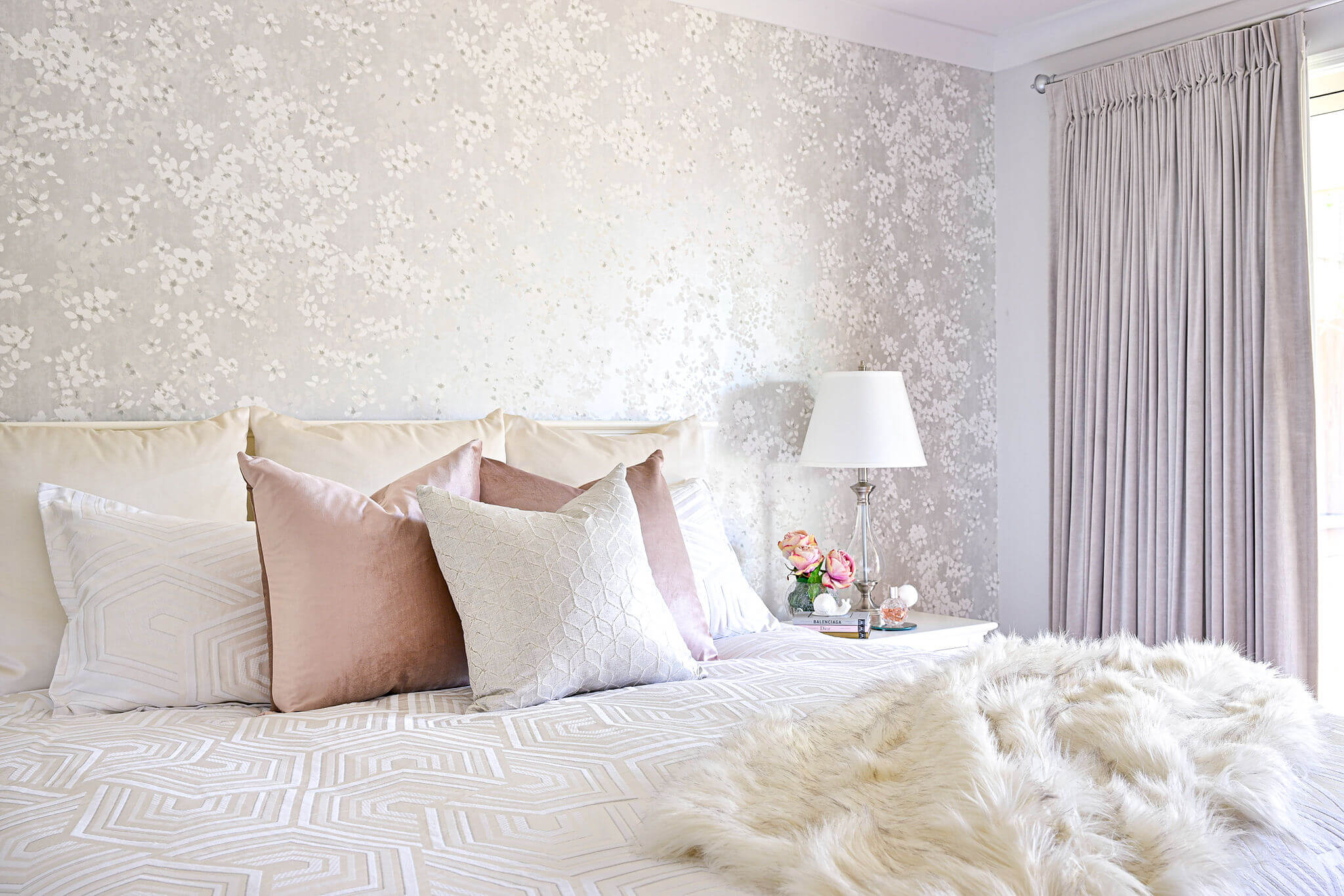
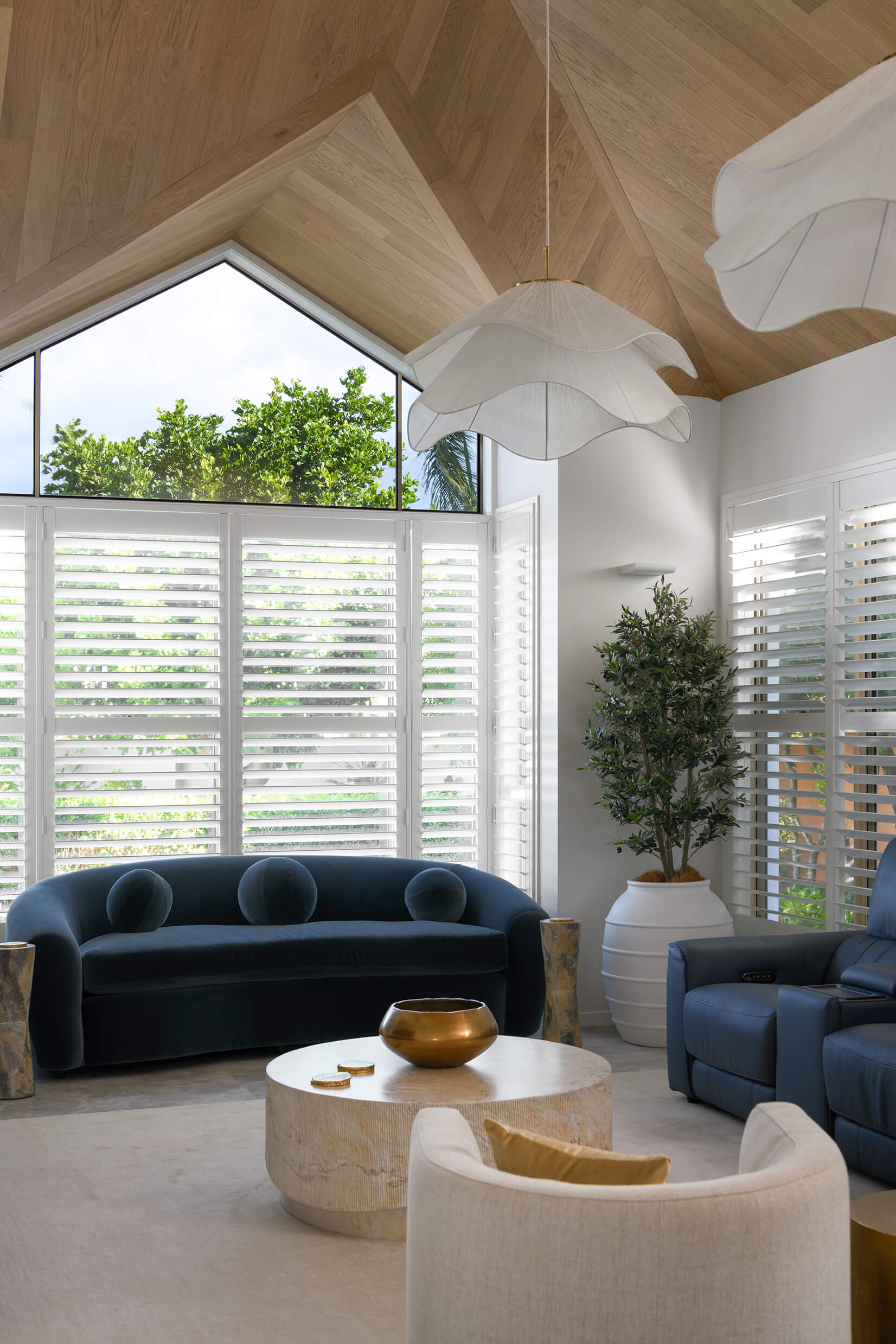
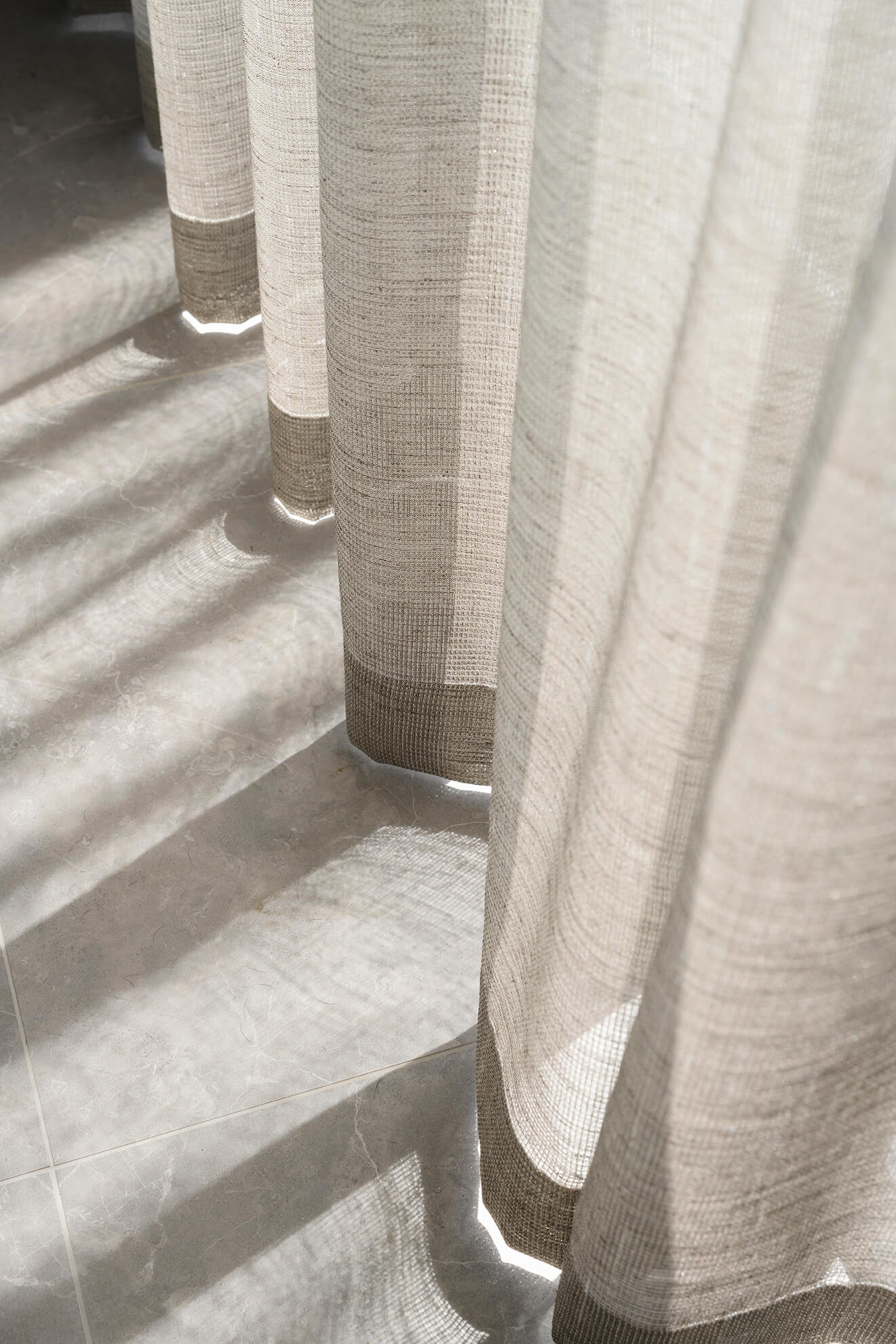
Window treatments are an essential architectural softening element within a space.
They are designed not just for function, but as a visual extension of the interior.
This includes:
- Curtain and blind selection and specification
- Fabric and track system coordination
- Full-height treatment design for architectural impact
- Layering for softness, privacy, and light control
The goal is always to enhance proportion, height, and flow within the space while maintaining a calm, refined aesthetic.
Styling & Final Layer
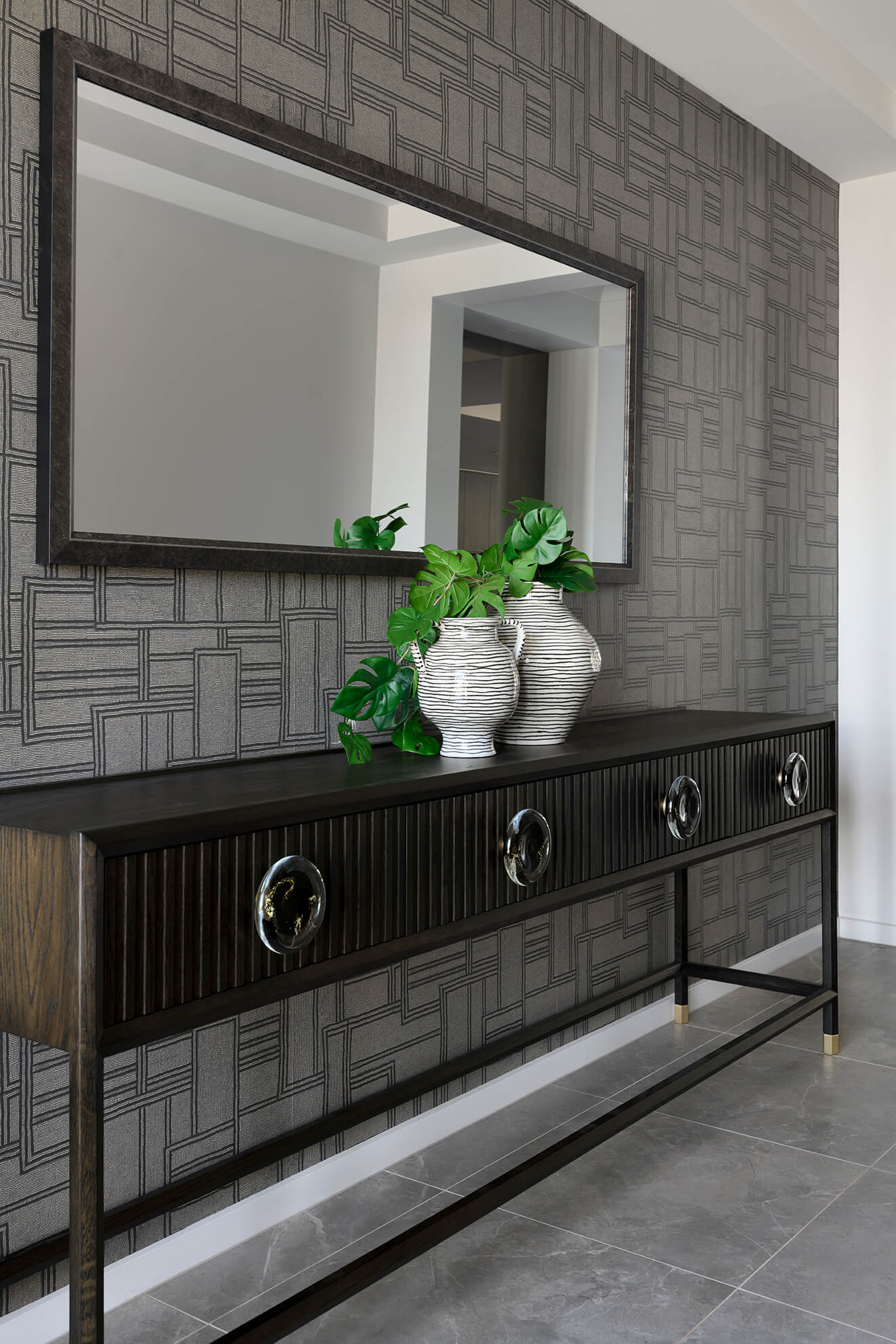
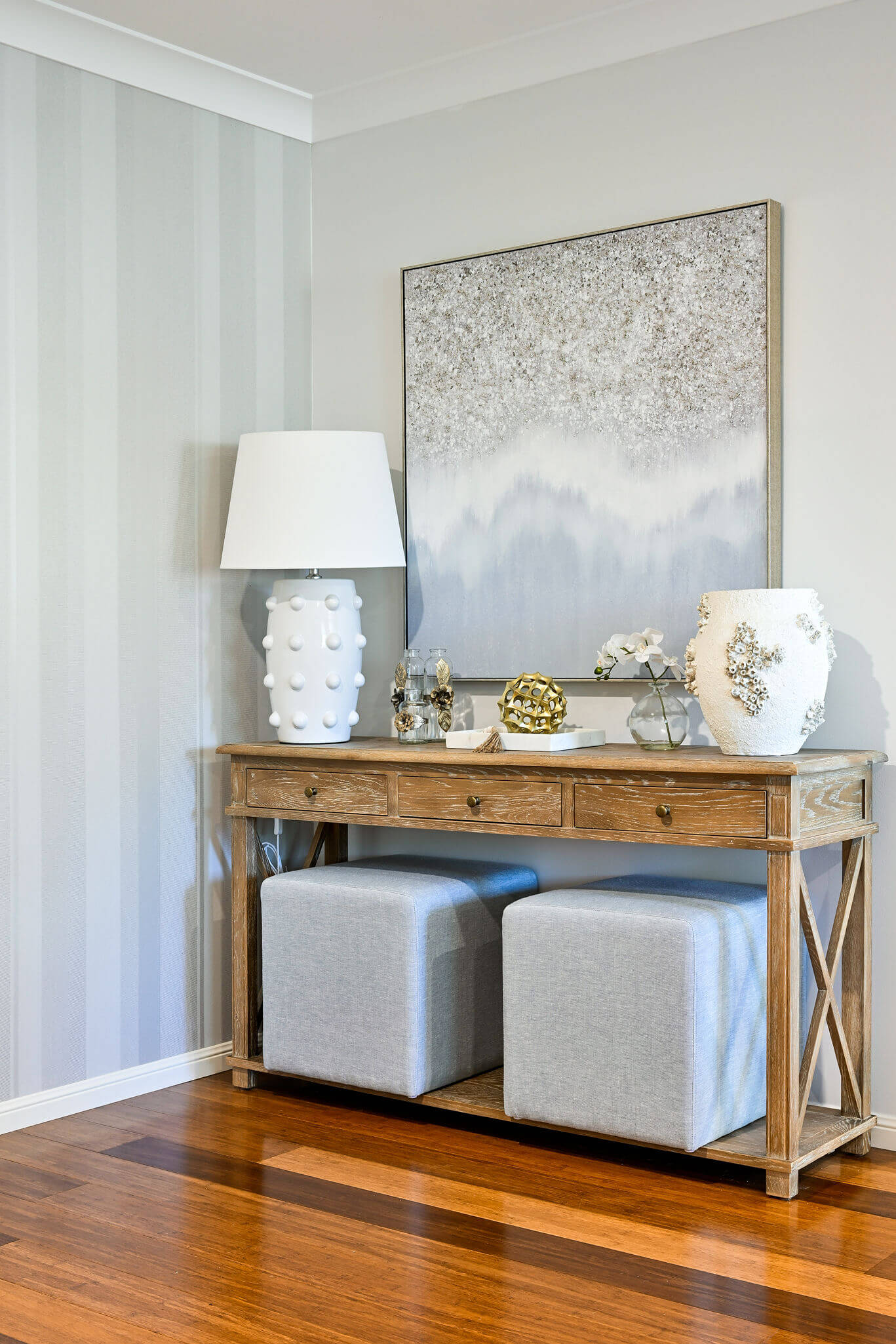
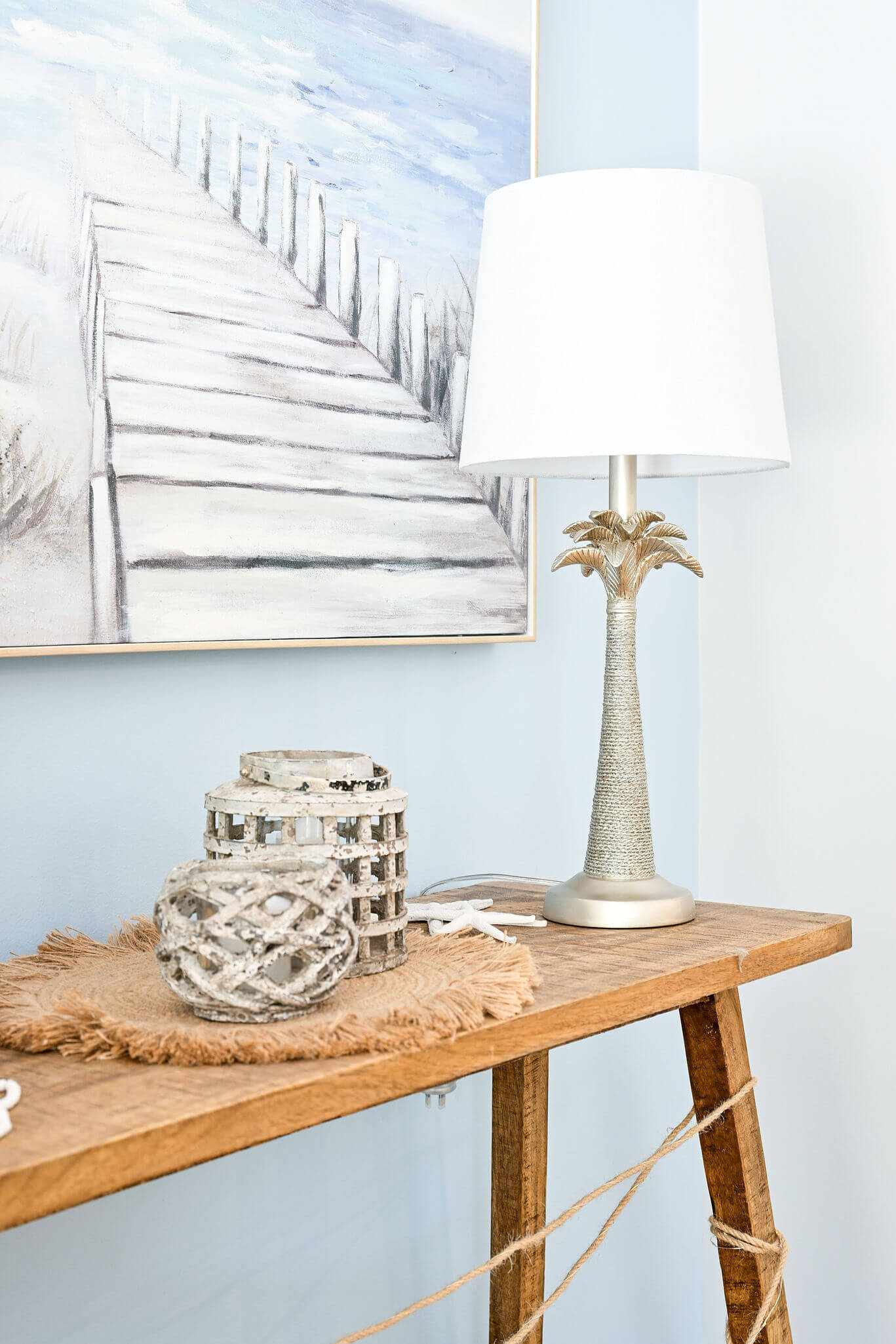
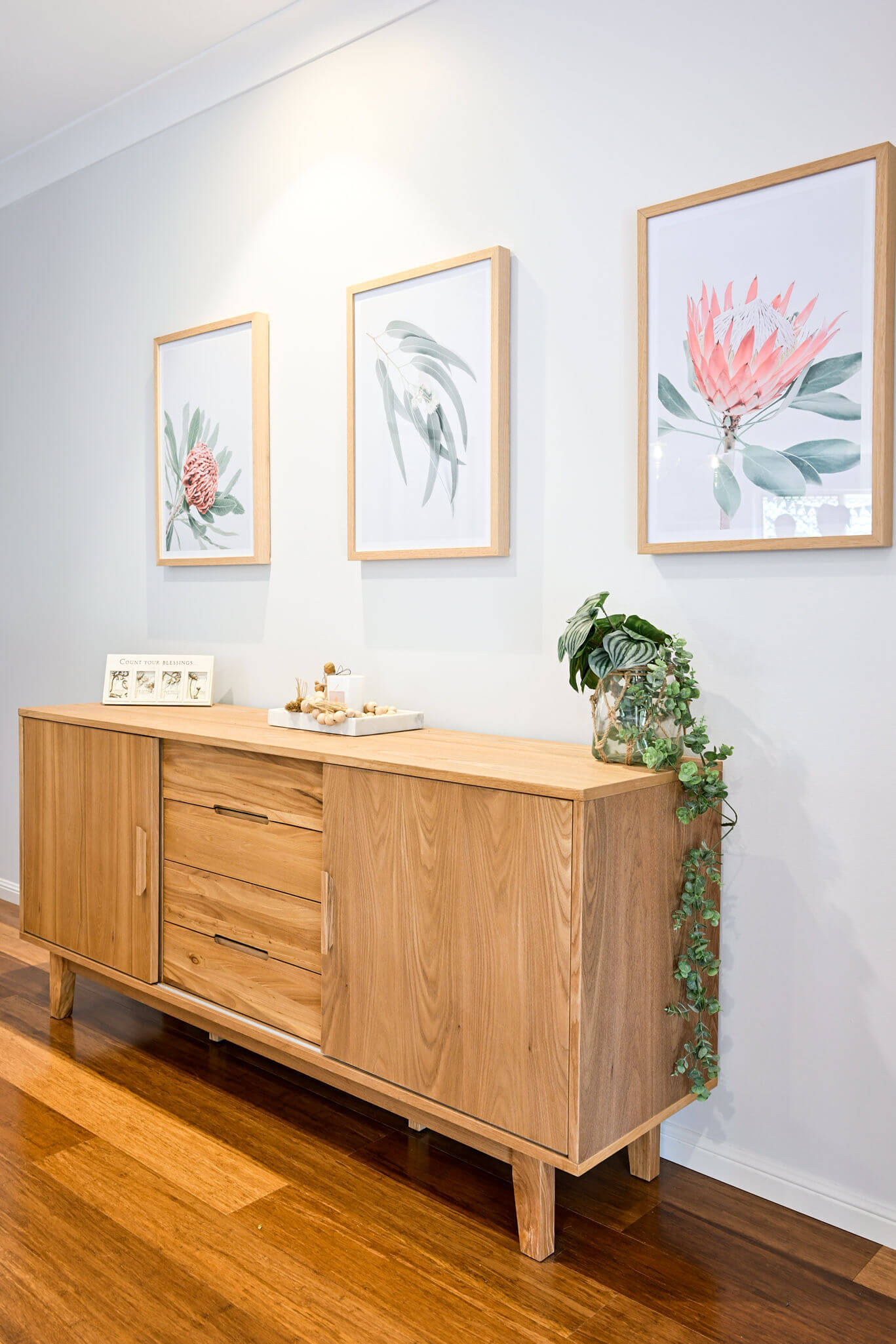
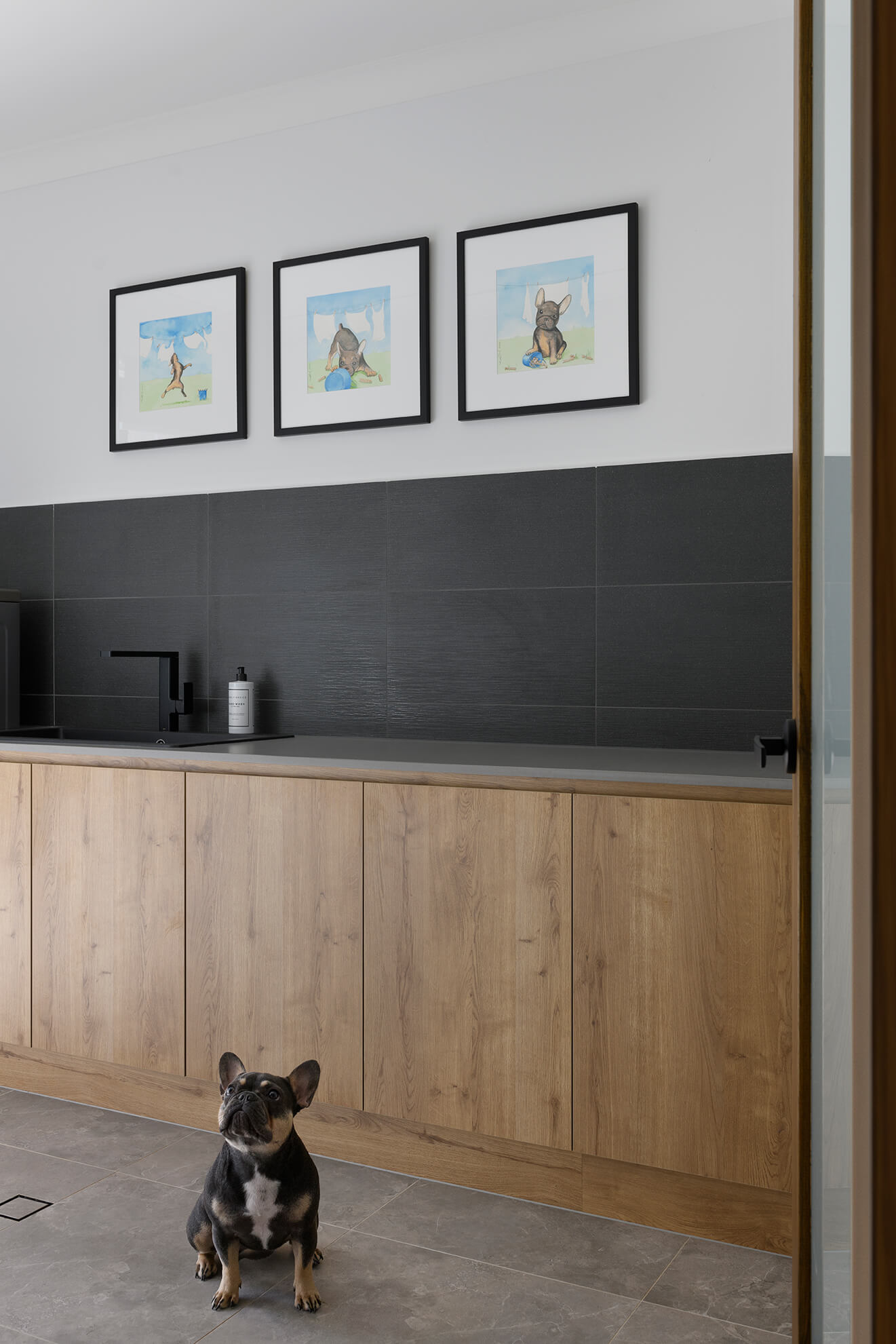
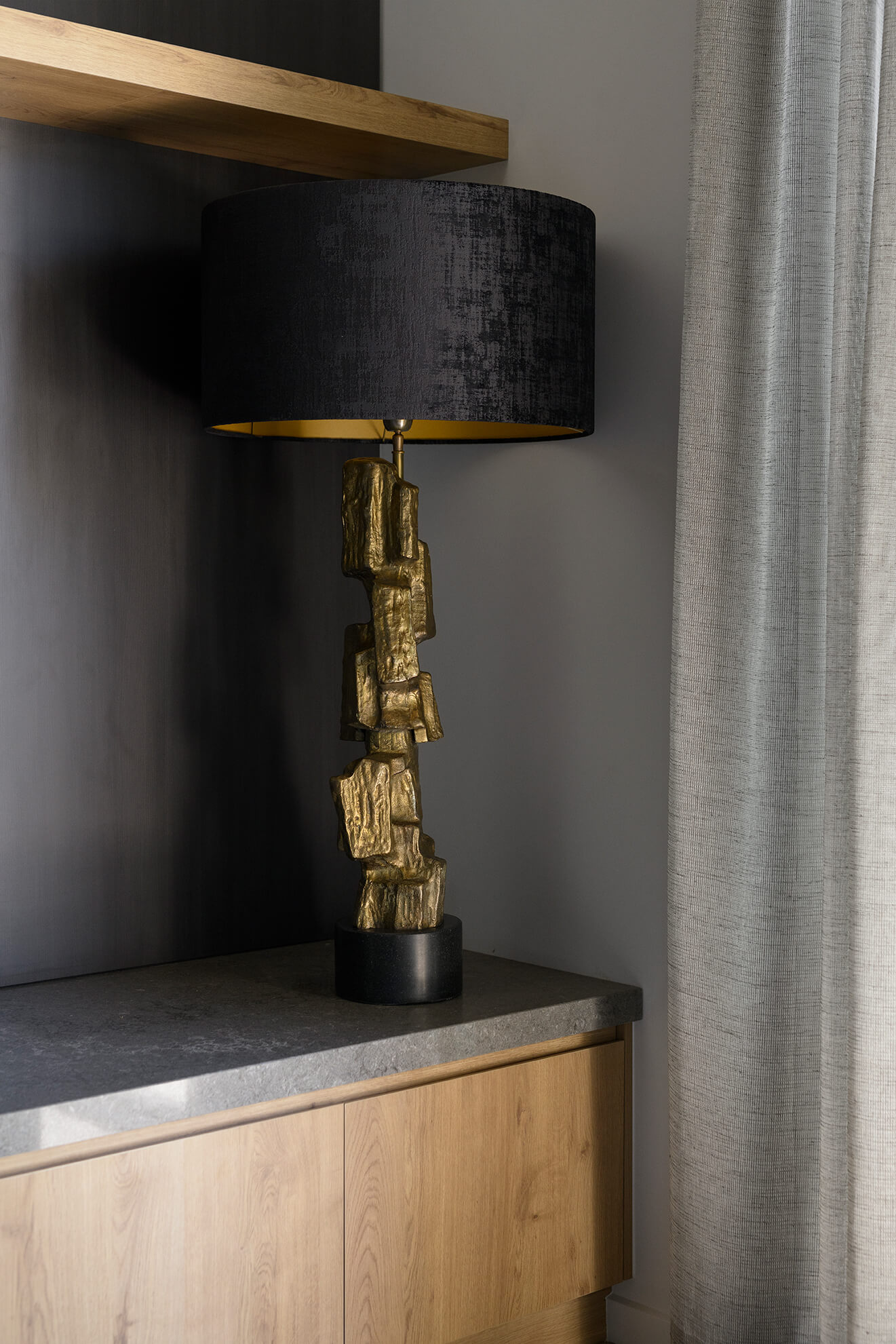
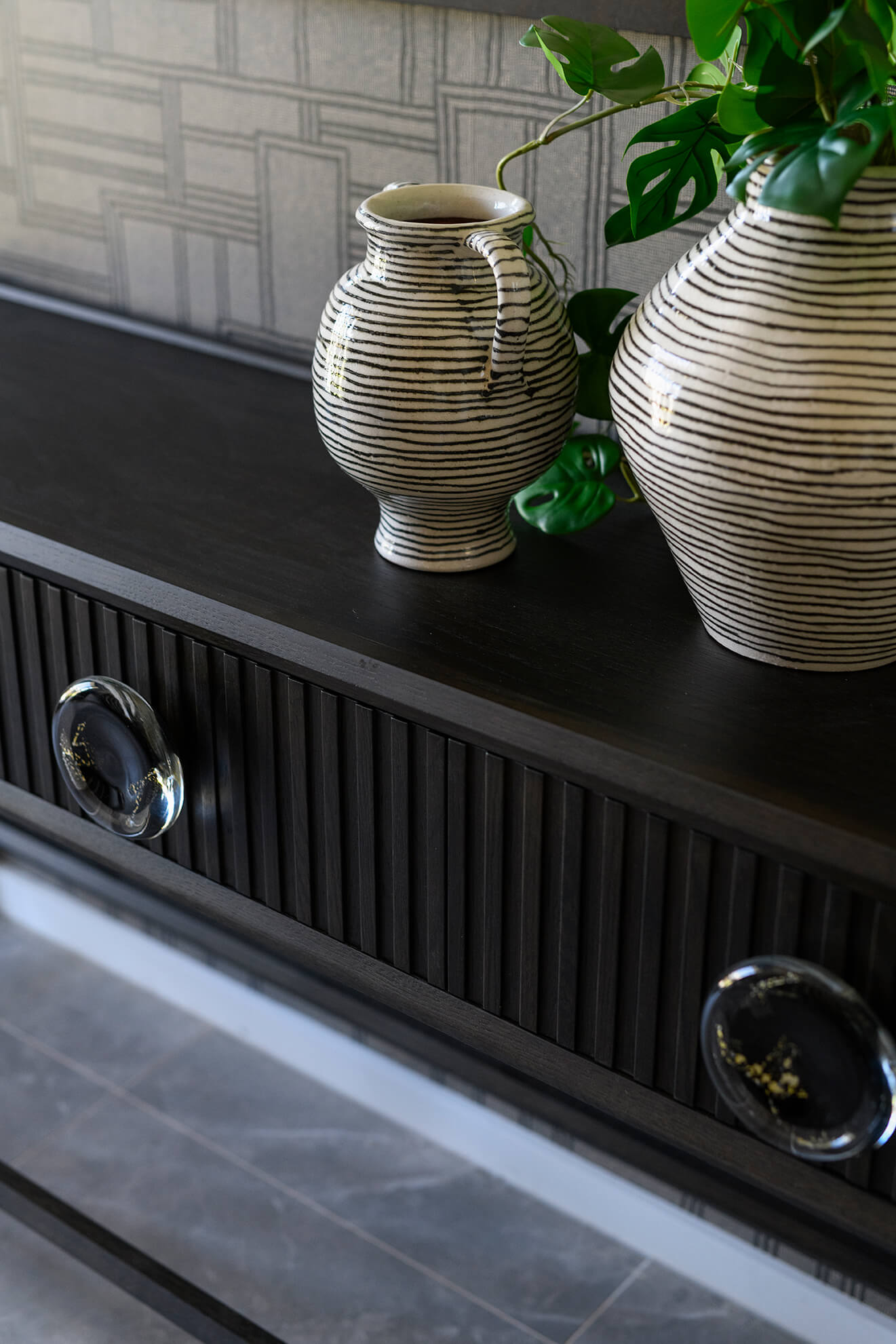
Styling is approached with restraint and intention.
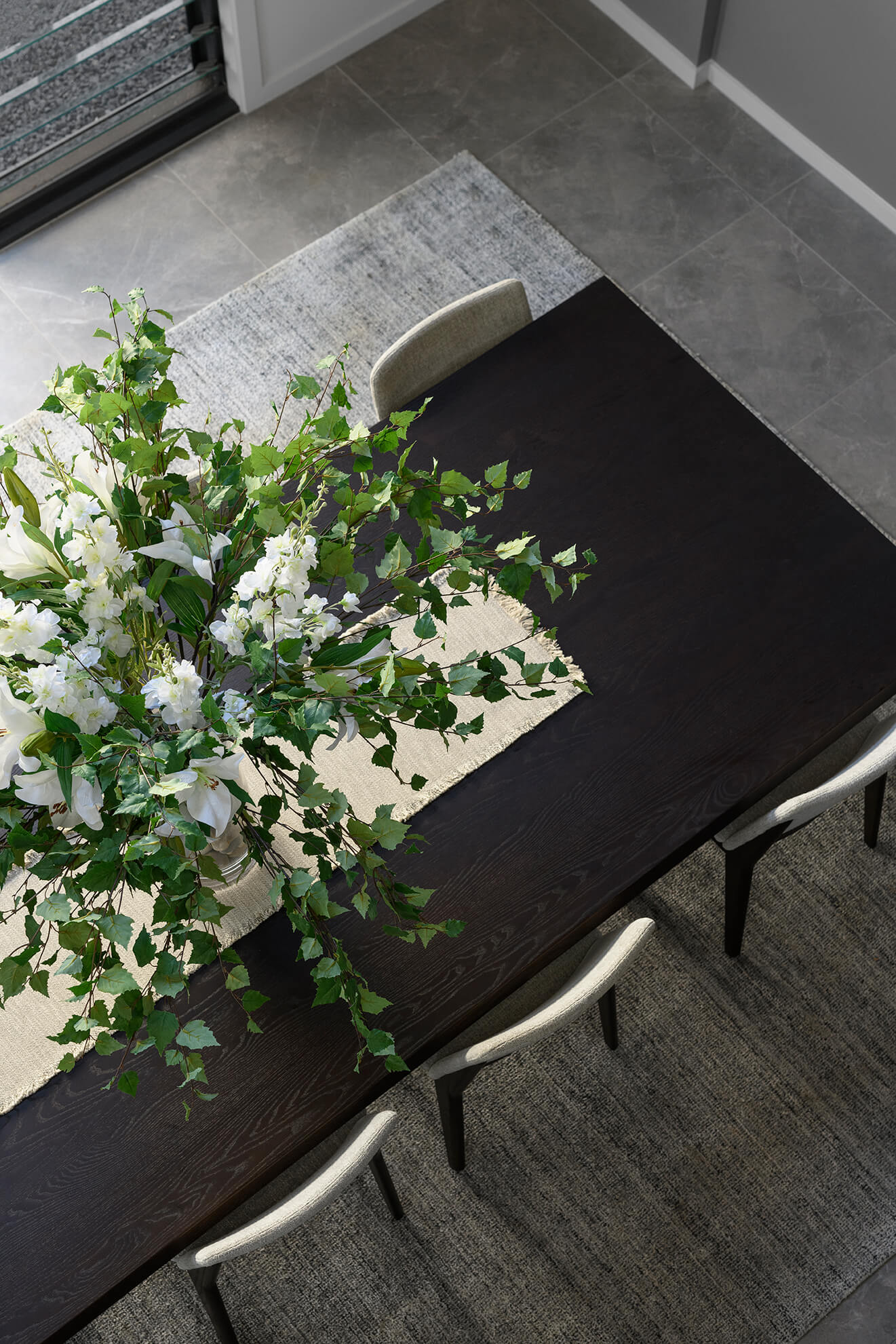
Rather than over-decorating a space, the focus is on carefully selected objects and layers that enhance the architecture and highlight key material moments within the home.
This final stage brings warmth, personality, and subtle refinement – allowing the interior to feel complete without feeling overworked.
Design Philosophy
Every element added at this stage is guided by the same principles as the interior design process:
- Material cohesion
- Proportion and balance
- Restraint and refinement
- Connection to architecture
This ensures the final result feels like a continuation of the original design intent, rather than a separate layer added at the end.